

Views: 0 Author: Site Editor Publish Time: 2026-08-21 Origin: Site


E-commerce packaging faces a strict operational requirement. It must survive the logistics network while delivering a premium unboxing experience at the destination. High transit damage rates erode profit margins and destroy customer trust. Generic, oversized packaging inflates shipping costs and fails to drive brand loyalty. Operations and marketing teams must systematically evaluate, specify, and source packaging that optimizes dimensional weight, structural integrity, and brand perception. Doing this correctly prevents unnecessarily inflated fulfillment costs. We see this on the warehouse floor daily. Packers struggle with oversized cartons, stuffing them with expensive void fill. Meanwhile, carriers penalize that empty space through dimensional weight charges. Fixing this requires a hard look at your packaging specifications. By analyzing structural designs, material grades, and printing technologies, you can deploy packaging that protects the product and elevates the customer experience simultaneously.
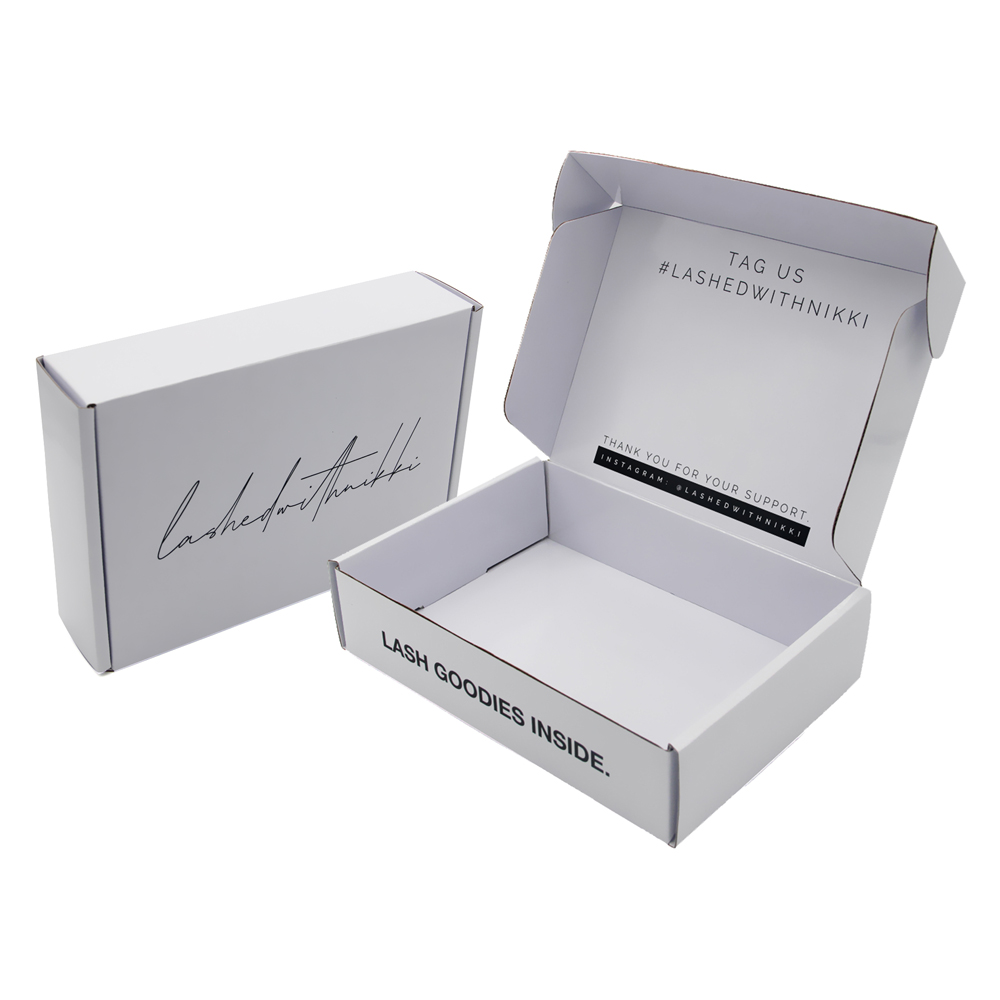
Corrugated mailer boxes offer a superior strength-to-weight ratio for e-commerce transit, reducing both product damage rates and dimensional weight (DIM) carrier charges.
Custom branding decisions must be weighed against minimum order quantities (MOQs), unit costs, and specific printing limitations (flexographic vs. digital vs. lithographic).
Optimizing exact box dimensions to eliminate unnecessary void fill (dunnage) is the primary driver of packaging ROI and operational efficiency.
Startups and scaling brands can achieve premium unboxing experiences by pairing cost-effective blank mailer boxes with a holistic ecosystem of branded inserts, stickers, and tissue paper.
Evaluating packaging suppliers requires strict assessment of lead times, structural design capabilities, and verifiable sustainability certifications.
Table of Contents
The structural differences between a standard regular slotted carton (RSC) and a roll-end front-tuck (REFT) design dictate their respective applications in fulfillment. RSCs feature flaps of equal length that meet in the center. They require packing tape to secure the closure. This design is highly efficient for bulk shipping but offers a utilitarian presentation. In contrast, the REFT design features a seamless bottom, double-thick side walls, and a lid that tucks into the front panel. This creates a self-locking mechanism that drastically reduces assembly time on the fulfillment line.
The mechanics of the interlocking flap design provide inherent structural rigidity. Dust flaps fold inward from the side panels before the main lid is closed. They serve a dual purpose. They prevent debris from entering the package during transit and add an extra layer of structural support to the corners, which are highly susceptible to crush damage. This interlocking architecture creates natural tamper resistance. When properly assembled, the friction fit of the front tuck prevents the box from opening accidentally. This often eliminates the need for heavy applications of packing tape, saving both material costs and packer time.
Packaging requirements vary wildly based on product fragility and category. Rigid protection is non-negotiable for high-value or fragile items like cosmetics, glassware, and consumer electronics. These products require structural packaging that absorbs shock and prevents internal movement. Apparel and soft goods demand lightweight flexibility. Over-packaging a t-shirt in a heavy-duty corrugated container adds unnecessary weight and bulk, negatively impacting shipping margins.
Evaluating product packaging requirements involves a systematic approach on the warehouse floor:
Assess the primary product fragility and shock tolerance using drop simulations.
Determine the primary shipping channel, noting if the package will travel as a single parcel or as part of a palletized freight load.
Calculate the maximum allowable weight for your target carrier shipping tier.
Identify the specific unboxing sequence required by the marketing team to ensure the structural design supports the presentation.
Different shipping channels dictate structural durability requirements. Direct-to-consumer single shipments navigate multiple carrier touchpoints, conveyor belts, and delivery vehicles. The packaging must withstand individual handling and potential drops. Consolidated monthly subscription box models face different logistical challenges. These boxes are frequently palletized, shipped in bulk to regional hubs, and then injected into the final-mile delivery network. The structural integrity must support pallet stacking weight while maintaining pristine aesthetic conditions for the end consumer.

Establishing baseline metrics for transit survival requires adherence to standardized testing protocols. The International Safe Transit Association (ISTA) provides rigorous testing frameworks. Subjecting packaging to ISTA protocols ensures the structural design can withstand the specific hazards of the parcel delivery network. Passing these tests reduces return rates associated with transit damage, directly protecting the bottom line.
ISTA Test Sequence | Testing Hazard | Real-World Application |
|---|---|---|
Atmospheric Pre-conditioning | Temperature and Humidity Variations | Simulates sitting in a hot delivery truck or a humid regional sorting facility. |
Shock / Drop Testing | Free-fall drops on corners, edges, and flat faces | Simulates falling off a conveyor belt or being dropped by a delivery driver. |
Random Vibration | Continuous multi-axis shaking | Simulates the constant vibration of traveling in the back of a semi-trailer. |
Compression | Top-to-bottom pressure application | Simulates the weight of other packages stacked on top during transit. |
Quantifying the unboxing experience involves linking packaging presentation to tangible business metrics. A premium unboxing sequence positively impacts customer retention rates and elevates the perceived value of the enclosed product. Visually striking packaging encourages user-generated content. When customers share their unboxing experiences on social media platforms, the packaging acts as a physical marketing asset, driving organic acquisition and reinforcing brand positioning.
Selecting the correct corrugated material requires balancing internal volume capacity, crush resistance, and printability. The flute profile refers to the wavy paper arch sandwiched between the flat linerboards. The corrugator machine aligns these flutes vertically to provide structural strength. E-flute and B-flute are the most common profiles used in e-commerce fulfillment.
E-flute measures approximately 1/16 of an inch in thickness. It offers a highly smooth surface, making it excellent for high-resolution printing because the fluting lines do not show through the outer linerboard. It takes up significantly less storage space on the warehouse floor. However, it provides moderate crush resistance, making it best suited for lightweight items like cosmetics or small electronics. B-flute measures approximately 1/8 of an inch in thickness. It provides superior crush resistance and structural support. The trade-off is a slightly rougher printing surface and a larger storage footprint. B-flute is ideal for heavier items, canned goods, or larger apparel orders.
Understanding board grades is equally critical. Historically, the Mullen Burst Test measured the force required to puncture the face of the corrugated board. While useful for heavy, loosely packed items, it does not accurately reflect modern logistics. The Edge Crush Test (ECT) measures the top-to-bottom compression strength of the board. ECT applies pressure to the edges of the board until it buckles. ECT is the more relevant metric for lightweight, palletized e-commerce goods because it directly correlates to how well a box will perform when stacked in a delivery truck. An ECT-32 rating is the standard baseline for most e-commerce applications.
Material porosity has a direct effect on ink absorption, color fidelity, and final print quality. Standard kraft paper is highly porous. When ink is applied, it absorbs deeply into the fibers, resulting in muted, earthy tones. This makes kraft ideal for minimalist, dark-colored vector graphics but poor for vibrant gradients. Standard white linerboard provides a smoother, less porous surface, allowing colors to pop with greater fidelity. Premium white offers a coated, retail-grade canvas capable of supporting high-resolution, photorealistic prints.
Sourcing realities dictate material choices. Utilizing 100% recycled kraft paper aligns with environmental initiatives but introduces structural compromises. Recycled fibers are shorter and inherently weaker than virgin fibers, slightly reducing the overall ECT rating. Recycled kraft exhibits aesthetic variations. The exact shade of brown will fluctuate between production runs based on the source material. You must weigh these aesthetic inconsistencies against your sustainability goals.
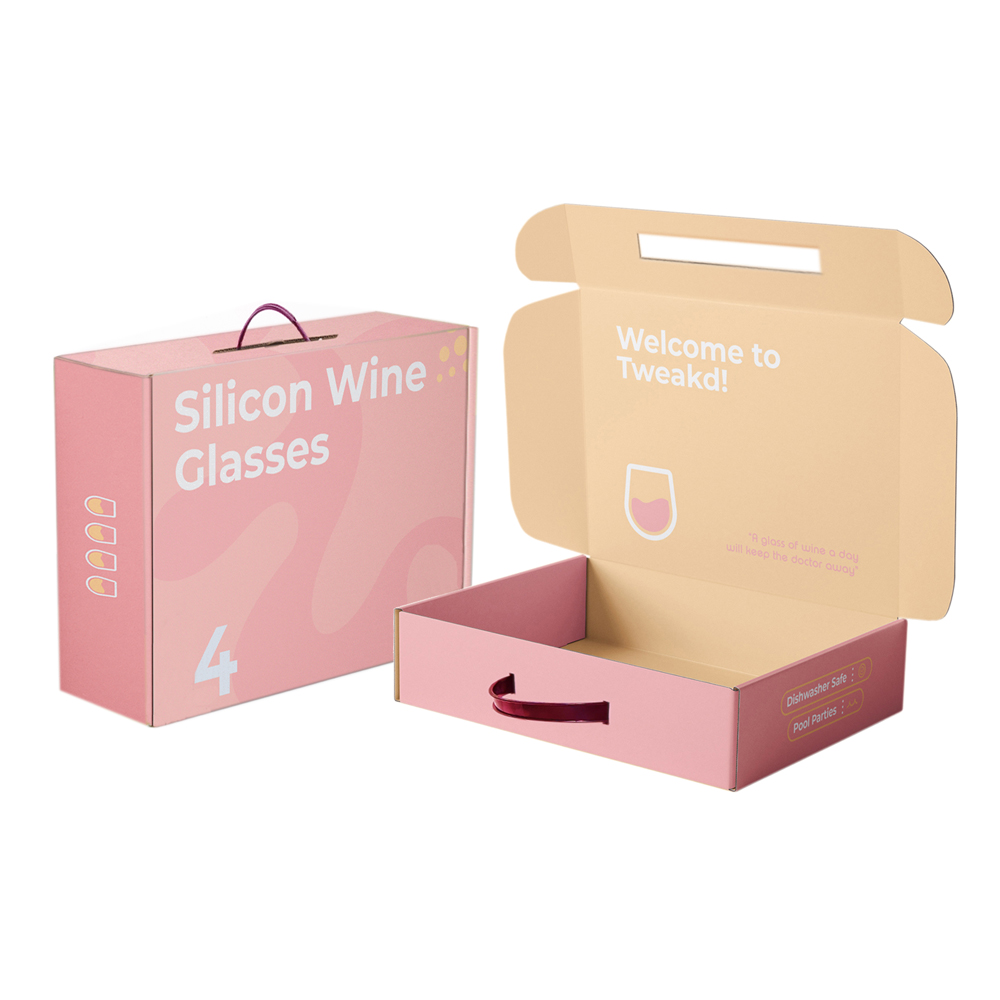
Carrier dimensional weight (DIM) pricing models utilized by UPS, FedEx, and USPS penalize oversized packaging. Carriers calculate shipping charges based on the amount of space a package occupies on a truck, rather than its actual physical weight. They multiply the length, width, and height of the package and divide by a standard DIM divisor. If the resulting dimensional weight is higher than the actual weight, you pay the higher rate. This pricing structure turns empty space into a direct financial liability.
Consider a practical warehouse scenario. You ship a product weighing 2 pounds in a standard 12x12x12 inch box. The volume is 1,728 cubic inches. Using a standard DIM divisor of 139, the dimensional weight is calculated at 12.4 pounds. The carrier will charge you for a 13-pound package, even though the physical weight is only 2 pounds. Implementing a framework for calculating the break-even point is necessary for margin protection. You must compare the cost of investing in custom-sized Mailer Boxes against the cost of utilizing standardized box sizes packed with added dunnage. Right-sizing the packaging eliminates void fill costs and permanently reduces the per-shipment DIM weight charge.
Fulfillment efficiency directly impacts operational overhead. A time-motion analysis reveals significant differences in assembly and packing speed. Traditional tape-sealed RSC boxes require a worker to fold the bottom flaps, apply tape, insert the product, fold the top flaps, and apply a final strip of tape. This process averages 30 to 45 seconds per package. Self-locking REFT designs eliminate the taping steps. The worker folds the pre-scored lines, tucks the front flap, and the package is secure in under 15 seconds. At scale, shaving 20 seconds off each package assembly translates to massive labor savings.
Integrating custom structural inserts further streamlines the packing line. Loose void fill requires the packer to manually estimate the correct volume needed to secure the item. This process is inconsistent and messy. Custom corrugated or molded pulp inserts hold the product in an exact, predefined position. The packer drops the item into the insert, closes the lid, and moves to the next order. This guarantees consistent presentation and accelerates fulfillment velocity.
Flexographic printing operates like a massive rubber stamp. It requires the creation of custom polymer printing plates for each color used in the design. The anilox roller transfers ink to the plate, which then presses the image onto the corrugated board. This results in high tooling and setup costs. Once the press is running, flexography offers incredibly low unit costs at scale. It is highly suitable for simple vector logos, typography, and designs utilizing one to three solid colors. It cannot produce complex gradients or photographic imagery.
Digital printing functions similarly to a standard office inkjet printer, applying ink directly to the corrugated board without the need for custom plates. This eliminates tooling costs entirely, making it ideal for short runs, seasonal campaigns, or highly variable data. The trade-off is a higher per-unit cost compared to high-volume flexography. Digital printing excels at complex gradients, photorealism, and designs requiring an unlimited color palette.
Lithographic laminating involves printing the design onto a high-quality paper sheet using a traditional offset printing press. This printed sheet is then glued directly onto the corrugated board. This process delivers a premium, retail-grade finish with impeccable color accuracy and the option for specialty finishes like foil stamping or spot UV. Due to the multi-step manufacturing process, litho-lamination carries the highest cost and is generally reserved for high-margin luxury goods.
The security argument for unbranded exteriors is increasingly relevant. High-value goods shipped in highly identifiable, heavily branded packaging attract unwanted attention during transit and upon delivery. Utilizing a plain kraft or white exterior reduces the risk of porch piracy. To maintain the brand experience, companies shift the high-impact printing to the interior of the box. When the customer opens the plain exterior, they are greeted with vibrant brand colors, messaging, and patterns. This "Trojan Horse" approach protects the product while still delivering the unboxing experience.
Custom inserts simultaneously secure products in transit and elevate the premium presentation. An insert prevents the product from shifting, eliminating the need for messy loose fill. From a branding perspective, an insert frames the product, presenting it deliberately to the customer upon opening. Printing on the insert itself provides another layer of real estate for instructions, brand storytelling, or cross-promotional messaging.
Complementary packaging elements interact with the primary container to create a cohesive brand narrative. Custom water-activated packing tape provides a tamper-evident seal while adding a subtle branding touch to the exterior. Inside, branded stickers, custom-printed tissue paper, and personalized thank you cards layer the unboxing experience. These elements slow down the unboxing process, turning a simple product retrieval into a memorable event.
Cost-effective branding strategies exist for startups and small businesses operating with limited capital. Before scaling to fully printed corrugated packaging, brands can pair blank or stock Mailer Boxes with high-quality custom stickers, custom packing tape, or large rubber stamps. This approach allows growing companies to achieve a branded look without committing to the high minimum order quantities and tooling costs associated with custom flexographic printing.
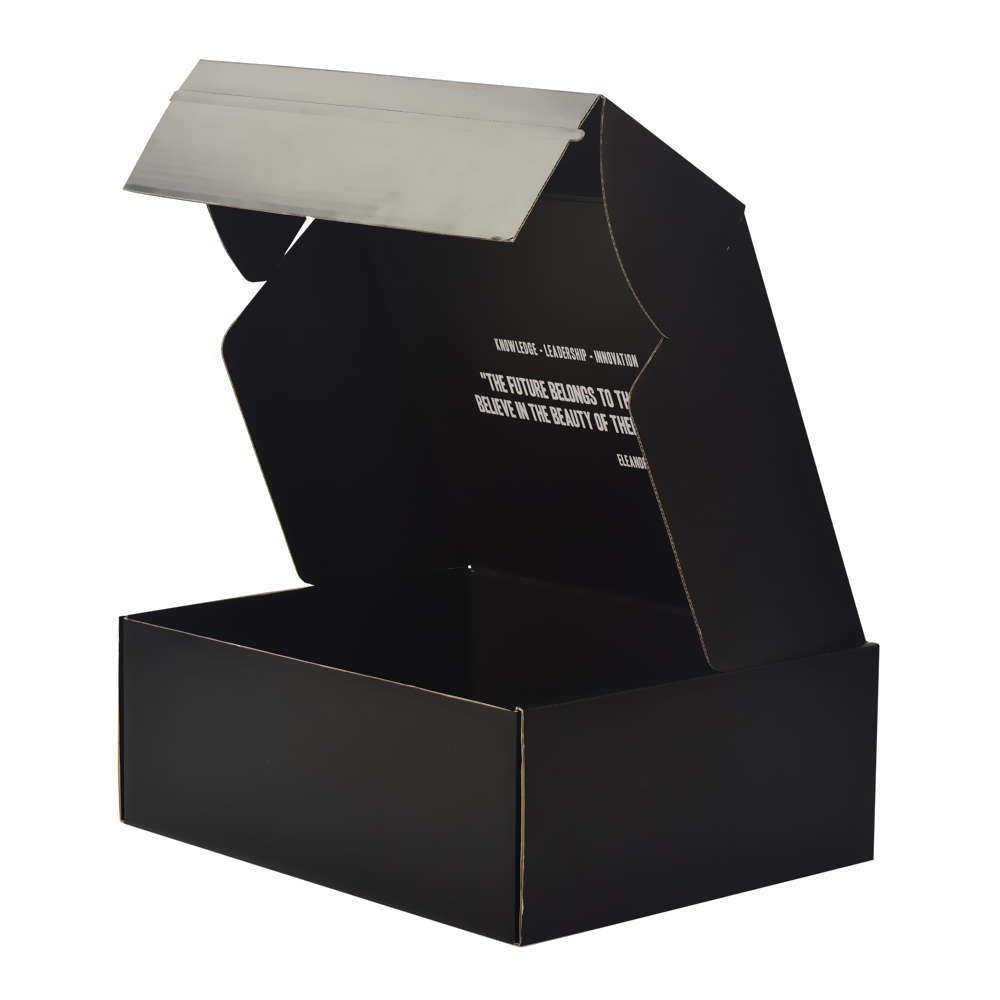
Achieving lower unit prices through bulk ordering exposes hidden costs. Packaging suppliers offer significant price breaks at higher volumes, incentivizing brands to order thousands of units at once. Pallets of flat-packed corrugated boxes require a substantial warehousing footprint. The cost of storing palletized packaging for six months can easily negate the unit cost savings achieved through the bulk order. Inventory holding costs must be factored into the total packaging ROI calculation.
Strategies for phased rollouts mitigate operational risk. Growing e-commerce startups should prioritize ordering short runs to test structural integrity and fulfillment workflows before committing to high-volume production. A limited run allows the fulfillment team to audit assembly times and identify any structural flaws during actual transit. Once the design is validated through real-world logistics networks, the brand can safely scale up production volumes.
Verifying supplier claims regarding sustainability requires strict auditing. Brands should request documentation proving Forest Stewardship Council (FSC) certifications, ensuring the paper originates from responsibly managed forests. Actual curbside recyclability depends on the materials used. A standard corrugated box printed with water-based inks is easily recycled. Adding heavy laminates, metallic foils, or magnetic closures severely complicates the recycling process.
Auditing the end-of-life disposal reality prevents unintentional greenwashing. Packaging treated with heavy UV coatings or non-soy-based inks often ends up in landfills because municipal recycling facilities cannot process the chemical additives. You must ensure your packaging choices align with your stated environmental values by specifying water-based inks, avoiding unnecessary plastic laminations, and designing packaging that the end consumer can easily break down and recycle locally.
Take the following actions to optimize your packaging strategy:
Request unprinted structural samples from suppliers to verify board thickness and interlocking flap tolerances before committing to a production run.
Conduct a test shipment of the unprinted samples through standard carrier networks to evaluate real-world transit durability and identify potential crush zones.
Audit fulfillment assembly times on the warehouse floor, comparing self-locking designs against traditional tape-sealed cartons to calculate exact labor savings.
Calculate the exact dimensional weight of your proposed packaging using your carrier's specific DIM divisor to identify potential pricing penalties.
Verify all supplier sustainability claims by requesting official FSC certification documentation and confirming the use of water-based inks.
Partnering with an experienced packaging manufacturer simplifies this entire optimization process. Backed by state-of-the-art production capabilities and extensive structural design expertise, Guangzhou Yison Printing Co., Ltd. delivers premium, fully customizable mailer box solutions tailored to protect your products, cut fulfillment costs, and build lasting brand loyalty.
A: A standard shipping box, or Regular Slotted Carton (RSC), has flaps that meet in the middle and requires packing tape to seal. A mailer box utilizes a roll-end front-tuck (REFT) design with interlocking flaps and a self-locking lid. This offers superior rigidity and a cleaner presentation without relying heavily on tape.
A: Measure the length, width, and height of your product. Add approximately 0.25 to 0.5 inches to each dimension to allow for clearance and any necessary protective inserts. The goal is to minimize empty space to reduce dimensional weight (DIM) shipping charges while preventing the product from touching the exterior walls.
A: Digital printing is the most cost-effective method for low volumes. Unlike flexographic printing, digital printing does not require the creation of expensive custom polymer plates. While the per-unit cost is higher, the elimination of setup fees makes it ideal for short runs and seasonal campaigns.
A: Startups can purchase standard blank or kraft boxes and apply high-quality custom stickers, branded water-activated packing tape, or use large custom rubber stamps. Pairing blank exteriors with branded internal tissue paper and thank you cards creates a premium feel without high minimum order quantities.
A: Not necessarily. The roll-end front-tuck design creates a friction fit that holds the box closed securely. For high-value items or heavier shipments, applying a single strip of tamper-evident tape or a branded sticker across the front closure provides extra security during transit.
A: Carriers calculate shipping costs based on the box's volume (length x width x height) divided by a set DIM divisor. If this dimensional weight is greater than the actual physical weight, you are charged the higher rate. Oversized boxes result in paying to ship empty air.


