

Views: 0 Author: Site Editor Publish Time: 2026-09-21 Origin: Site


Retail and e-commerce environments overwhelm consumers with visual stimuli. Brands spend heavily on graphic design, striking colors, and bold typography to grab attention. Visual differentiation alone yields diminishing returns. Consumers scroll past thousands of digital images daily and walk down retail aisles packed with visually optimized products. In online retail, the unboxing moment is often the first physical interaction a consumer has with a brand. This physical touchpoint presents a direct opportunity to solidify brand perception.
Standardized, smooth packaging often fails to communicate premium positioning. When a high-end product arrives in a generic, flimsy box, product commoditization happens. The perceived value drops immediately at the point of sale or during the unboxing experience. Visual promises must align with physical reality. Tactile packaging serves as a strategic differentiator. Upgrading your materials transforms a simple container into a sensory experience.
Haptic Influence on Value: Tactile features in packaging directly correlate with higher perceived product value, stronger brand recall, and a more memorable customer experience.
Material as a Silent Ambassador: The specific texture of specialty paper (e.g., uncoated, soft-touch, embossed) acts as a silent communicator of brand attributes, bridging the gap between visual promises and physical reality.
Production Realities: Transitioning to specialty paper packaging requires evaluating technical trade-offs, including ink holdout, structural durability, and specialized printing requirements.
Cost vs. ROI: While upfront material costs are higher, the investment is justified through increased premium pricing capability, enhanced consumer preference, and elevated brand positioning.
Table of Contents
Packaging success relies on specific baseline metrics. You must evaluate shelf impact, the unboxing experience, and overall brand alignment. Standard substrates fall short in persuading modern consumers. A standard bleached sulfate board provides a smooth printing surface but lacks character. It feels mass-produced. When consumers pick up a product, they subconsciously evaluate its weight, rigidity, and surface texture. If the packaging feels cheap, they assume the product inside is of lower quality. Brands need materials that actively contribute to the perceived value of the product.
We measure packaging failure through several distinct indicators on the production floor and the retail shelf:
Low tactile engagement times when consumers handle the product in-store.
High rates of structural fatigue during transit, leading to crushed corners.
Poor unboxing feedback in customer reviews and social media unboxing videos.
Inability to support premium product positioning against competitors using heavier substrates.
Upgrading to specialty paper solves these baseline failures by introducing physical weight and distinct surface characteristics.

Touch heavily influences consumer behavior. Haptic memory studies demonstrate that tactile interactions make product experiences more satisfying and meaningful. When a consumer runs their fingers over a textured surface, it engages multiple senses. This multi-sensory engagement creates stronger neural pathways, leading to better brand recall.
High-quality tactile interactions trigger the endowment effect. This psychological phenomenon occurs when people ascribe more value to things merely because they physically hold them. A textured box encourages consumers to hold the product longer. The longer they hold it, the stronger their sense of ownership becomes. This physical connection directly drives brand loyalty and increases the likelihood of a purchase. We see this consistently in retail environments where products in textured cartons experience higher physical interaction rates than those in standard gloss boxes.
Relying solely on graphic design has distinct limitations. Bold and bright colors effectively communicate an energetic brand identity. Minimalist typography conveys modern elegance. These visual cues require physical validation. If a minimalist design is printed on flimsy, high-gloss paper, it feels contradictory. The visual promise of luxury shatters upon physical contact.
Texture validates the visual promise. A heavy, uncoated paper stock gives weight and authority to a minimalist design. It prevents the product from feeling cheap. Brands incorporate visual identity elements directly into the tactile experience. Embossing a brand logo creates a multi-sensory focal point. It invites consumers to touch the logo, reinforcing brand recognition through physical engagement. The material itself becomes a core component of the brand identity.
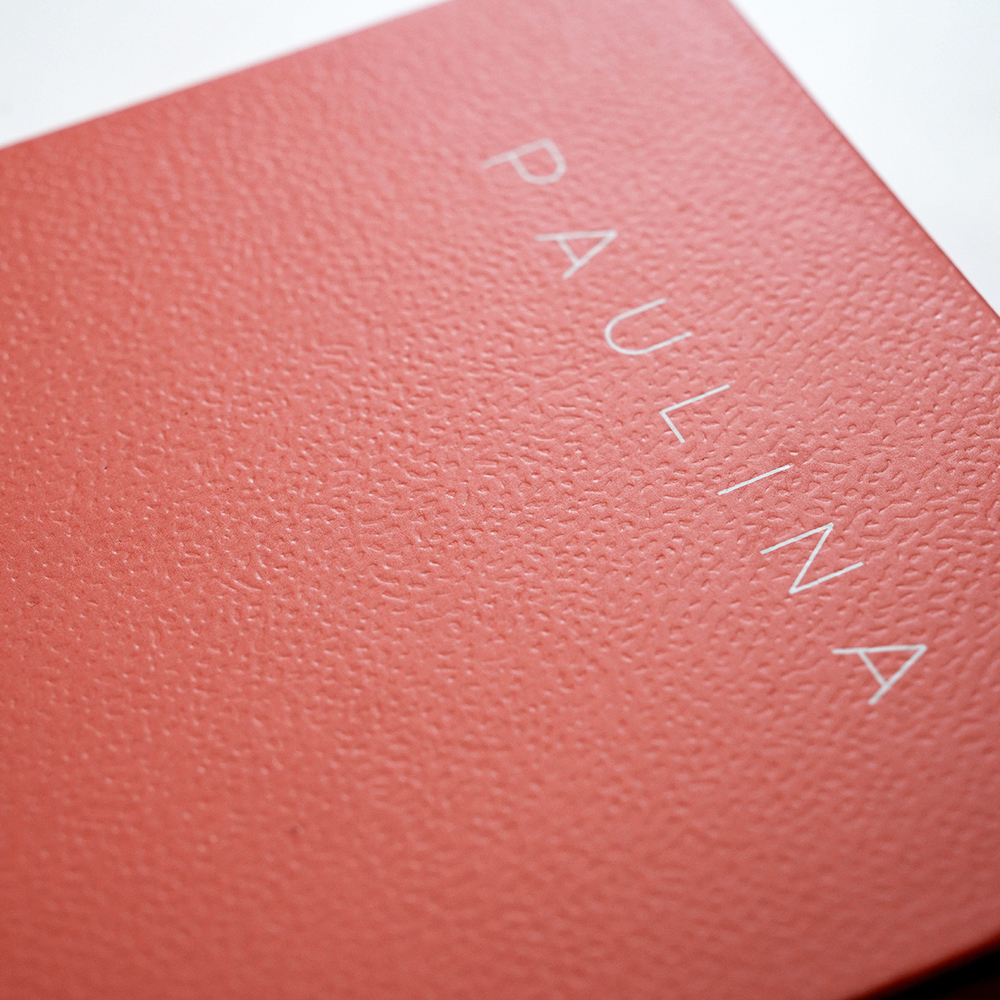
Selecting the right material requires understanding the primary types of specialty paper available for commercial packaging. Each category offers distinct tactile qualities and strategic applications across different industries.
Paper Category | Tactile Characteristics | Visual Finish | Ideal Industry Applications |
|---|---|---|---|
Uncoated & Natural Fibers | Rough, porous, organic feel | Matte, visible fibers, earthy | Artisanal goods, organic skincare, craft beverages |
Soft-Touch & Matte | Velvety, smooth, suede-like | Low-glare, deep color saturation | Premium cosmetics, luxury tech gadgets, high-end retail |
Textured & Embossed | Physically altered, dimensional | Shadow play, classic patterns (linen, felt) | Spirits, heritage brands, boutique confections |
Pearlescent & Metallic | Smooth, slightly slick | Shimmering, light-reflective | Fragrances, limited edition releases, jewelry |
Uncoated papers do not have a clay coating, leaving the natural paper fibers visible. This creates a rough, organic texture that helps brands communicate a handmade and natural image.
These papers are commonly used for craft products, organic skincare, and sustainable packaging. However, their porous surface absorbs ink quickly, so printing settings need to be adjusted to achieve consistent colors.
Soft-touch finishes create a smooth, velvet-like surface with a premium feel. They reduce glare and provide a more luxurious appearance compared with traditional glossy packaging.
This type of paper is widely used for cosmetics, electronics, and high-end products. Soft-touch finishes also improve scratch resistance, while liquid soft-touch coatings provide a more eco-friendly option.
Textured papers create unique surface effects through patterns, embossing, or debossing. These finishes add depth and improve the physical experience of the package.
They are often used for luxury beverages, boutique products, and heritage brands. When using embossed designs, artwork and text placement should be carefully planned to maintain readability.
Procurement and brand managers need a structured framework to assess materials. You must evaluate specialty paper against specific operational requirements and your overarching channel strategies.
Specialty paper packaging should match the way customers interact with products. In retail stores, textured surfaces such as embossing and matte finishes can attract attention and encourage customers to pick up the package.
In e-commerce, packaging focuses more on the unboxing experience. A textured and sturdy box creates a stronger brand impression after delivery. It should also have enough strength to protect products during transportation.
The paper texture should support the brand message. For example, natural kraft paper works well for eco-friendly and outdoor brands, while smooth matte finishes are suitable for minimalist skincare and luxury products.
A mismatch between the visual design and the packaging feel can weaken customer trust. The material, texture, and appearance should work together to create a consistent brand experience.
Transitioning to Specialty Paper Packaging introduces new production variables. Ink holdout is a primary concern. Standard coated papers keep ink on the surface, resulting in crisp, vibrant images. Porous, uncoated specialty papers absorb ink deep into the fibers. This absorption causes dot gain, where ink dots spread, making images appear softer and colors less saturated.
You must account for extended drying times when using uncoated stocks. Specialized inks are often necessary. UV-cured inks dry instantly upon exposure to ultraviolet light, preventing smudging on difficult substrates. Soy-based inks offer better environmental profiles but require careful management on porous surfaces. Consult closely with your printer to match the ink system to the specific paper texture.
Paper Type | Ink Absorption Rate | Recommended Ink Type | Drying Time Consideration |
|---|---|---|---|
Uncoated Kraft | High (Significant Dot Gain) | UV-Cured or High-Tack Conventional | Extended (Requires offset spray powder) |
Soft-Touch Laminated | Low (Ink sits on surface) | Oxidation-drying inks | Fast (Laminate applied post-print) |
Heavily Textured (Felt) | Medium to High | UV-Cured | Moderate to Fast (UV cures instantly) |
Beyond standard offset printing, specialty papers interact uniquely with post-press embellishments. Foil stamping requires smooth surfaces for crisp edges. When applying hot foil to heavily textured linen or felt papers, the foil bridges the gaps in the texture, leading to jagged edges or incomplete adhesion. Operators must increase stamping pressure and heat, which risks bruising the paper. Screen printing offers an excellent alternative for textured stocks. The thick ink deposit of screen printing sits on top of the porous fibers, delivering opaque, vibrant colors that offset printing cannot achieve on dark uncoated papers.
Textured and coated papers must survive the supply chain. Scuff resistance is a primary evaluation metric. Dark-colored soft-touch papers are highly vulnerable to scuffing and fingerprinting during transit. The friction of boxes rubbing together in a shipping carton ruins a pristine matte finish.
Evaluate the structural integrity of the substrate. Heavily textured or embossed papers crack along fold lines if not scored properly. Assess how the material handles scoring, folding, and gluing. Some specialty coatings resist standard packaging glues, requiring specialized adhesives to ensure the box remains intact from the manufacturing plant to the consumer's hands.
Grain direction dictates how paper folds. Specialty papers, particularly heavy uncoated stocks, are highly susceptible to cracking if folded against the grain. The wood fibers snap, exposing the white core of the paper and ruining the printed design. Always design packaging structures so the primary folds run parallel to the paper grain. When cross-grain folds are unavoidable, operators must utilize specialized scoring matrices to compress the fibers gently before folding.
Implement these durability tests before full production:
Rub Testing: Use a Sutherland Rub Tester to simulate shipping friction and measure ink transfer or surface marring.
Score Cracking Analysis: Fold the paper with and against the grain to check for fiber breakage along the hinges.
Adhesive Pull Tests: Apply standard production glues to the coated surface and measure the force required to tear the bond.
Upgrading packaging materials carries financial implications. You must examine the overall value influencing factors to justify the investment. It requires looking beyond the initial unit cost and understanding how packaging drives broader business metrics.
There is a noticeable cost delta between standard folding cartons and specialty paper. Premium fibers, specialized coatings, and slower manufacturing speeds increase the raw material price. This upfront cost is rarely a sunk expense. It is an investment in pricing power.
Enhanced packaging justifies premium retail pricing. When a product looks and feels superior, consumers are willing to pay more. The tactile experience signals higher product efficacy and better quality. You calculate the ROI by measuring the increase in average order value and the ability to maintain higher margins. The slight increase in packaging cost per unit is offset by the ability to elevate the product's retail price tier.
Sourcing specialty substrates at scale introduces logistical challenges. Custom textures, unique watermarks, or specific soft-touch laminates require high Minimum Order Quantities. Paper mills retool their lines to produce custom runs, making small batches economically unfeasible.
Mid-market brands must evaluate feasibility carefully. Utilizing stock specialty papers—pre-manufactured textured sheets available through distributors—offers a scalable entry point. Enterprise-level production runs absorb the costs of custom mill runs. Forecast your inventory needs accurately to balance the desire for unique textures with the realities of supply chain minimums.
Specialty paper is a strategic investment in brand perception, consumer persuasion, and product differentiation. In a crowded marketplace, the physical feel of your packaging serves as a direct differentiator that visual design alone cannot achieve. Texture influences haptic memory, drives the endowment effect, and directly supports premium pricing strategies. The optimal choice depends on strict alignment. You must align the tactile experience with your brand's core identity. A mismatch between visual promise and physical feel damages consumer trust. You must balance these aesthetic goals with production capabilities, supply chain realities, and the specific demands of your sales channels.
Take these immediate steps to upgrade your packaging strategy:
Request physical paper sample kits from multiple suppliers to evaluate textures and weights firsthand.
Conduct structural prototyping to ensure the chosen material withstands the rigors of folding, scoring, and transit.
Perform ink drawdowns on your shortlisted papers to verify color accuracy and ink holdout.
Consult with a packaging engineer to validate adhesive compatibility and structural integrity before committing to a full production run.
A: Standard packaging uses smooth, bleached boards optimized for high-speed printing and basic protection. Specialty paper packaging incorporates unique material compositions, natural fibers, and specific tactile finishes like embossing or soft-touch coatings. These materials prioritize sensory engagement and brand differentiation over basic utility.
A: Texture engages haptic memory, making the product interaction more memorable. High-quality tactile feedback triggers the endowment effect, where consumers feel a sense of ownership simply by holding the package. This physical engagement increases perceived value and directly influences purchasing decisions.
A: Industries relying heavily on brand perception benefit the most. This includes premium cosmetics, luxury tech gadgets, craft beverages, and boutique retail. In these sectors, the packaging acts as a primary branding tool, communicating quality and justifying premium price points before the product is used.
A: Yes. Uncoated and heavily textured papers absorb ink differently, often requiring UV-cured inks to prevent smudging and dot gain. Drying times must be adjusted. Fine typography can lose sharpness on rough surfaces, requiring careful design adjustments and physical press checks.
A: In e-commerce, the unboxing moment replaces the in-store retail experience. Tactile materials bridge this gap by providing a premium physical interaction at home. A textured, high-quality box makes the delivery feel like a gift, increasing customer satisfaction and encouraging social media sharing.
A: It depends on the finish. Naturally textured, uncoated papers are highly recyclable. Papers utilizing synthetic plastic laminates or heavy metallic foils often cannot be recycled in standard facilities. Brands should seek water-based coatings and FSC-certified papers to ensure sustainability.


