

Views: 0 Author: Site Editor Publish Time: 2026-08-21 Origin: Site


Premium packaging directly impacts customer retention and perceived product value in high-end retail and e-commerce. Brands scaling into premium tiers must choose packaging that balances a luxury unboxing experience with strict operational realities. You have to consider unit volume, inbound shipping constraints, and warehouse fulfillment speed on the packing line. Selecting the wrong structural design leads to bloated freight invoices, damaged goods, and frustrated warehouse operators. We provide an objective structural comparison of Magnetic Gift Boxes and traditional Lid and Base two-piece boxes. We evaluate structural integrity, supply chain impact, and product-market fit to help you determine the optimal packaging investment. You will learn how to match your specific product weight, fulfillment workflow, and brand presentation goals with the correct rigid board architecture.
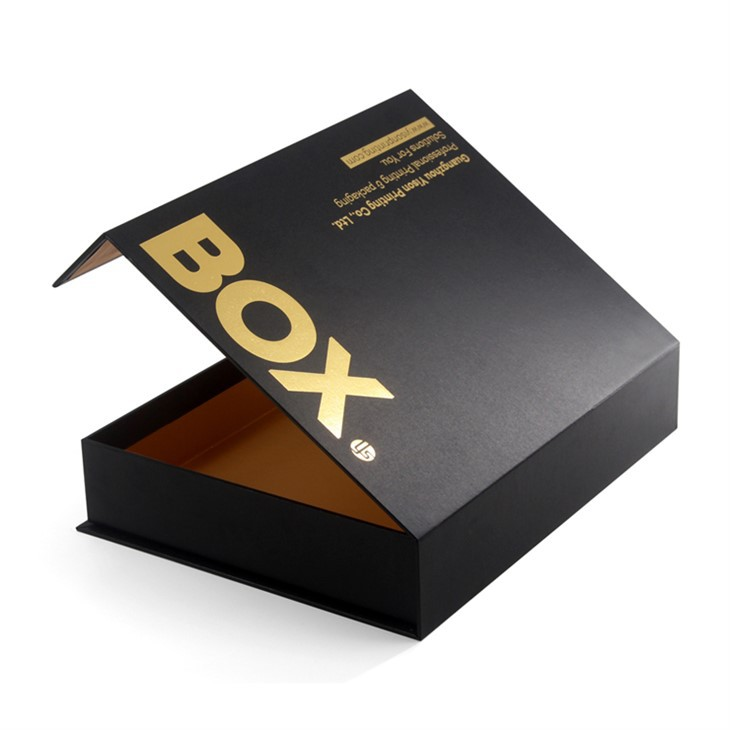
Unboxing Dynamics: Magnetic Gift Boxes offer a modern, seamless hinged opening with a sensory "snap," ideal for presentation kits, while Lid and Base boxes provide a traditional, friction-based reveal suited for classic retail.
Supply Chain Efficiency: Collapsible magnetic designs can reduce inbound shipping volume by up to 40% compared to pre-assembled, non-collapsible two-piece rigid boxes.
Cost-to-Value Ratio: Lid and Base boxes generally offer lower manufacturing costs due to simpler construction, whereas magnetic closures require higher initial investment but often yield higher post-purchase retention and reuse.
Fulfillment Realities: Two-piece boxes are ready to pack immediately on the fulfillment line, whereas collapsible magnetic boxes require a brief assembly step that must be factored into labor costs.
Table of Contents
The integrated hinged lid mechanism defines this packaging style. Manufacturers permanently attach the lid to the base using an extended paper or fabric wrap. This creates a single, unified structure built around a dense chipboard core, typically ranging from 1200gsm to 1800gsm. Concealed neodymium magnets sit inside the front flap and the corresponding base panel. During production, CNC machines mill small circular recesses into the rigid board. Operators insert the magnets into these recesses, verify the polarity, and apply the final outer paper wrap. This hides the hardware entirely while maintaining a strong magnetic pull through the paper layer.
You will encounter two main structural variations on the market: rigid setup boxes and collapsible flat-pack designs. Rigid setup versions arrive at your facility fully formed and glued. Collapsible versions arrive completely flat. They feature folding base panels and industrial-grade adhesive corner strips. Warehouse workers fold the sides up, peel the adhesive backing, and press the corners together to build the box on demand. This flat-pack capability drastically alters inbound freight calculations.
Treat this style as a complete packaging system rather than just an empty container. The outer shell, the closure strength, and the internal inserts must align perfectly. If an internal insert sits even two millimeters too high, it pushes against the lid. This outward pressure easily overcomes the magnetic attraction, causing the box to pop open during transit and exposing the product to damage.
Two-piece rigid boxes rely on a completely separate top and bottom construction. Factories build these using a similar thick chipboard core, but the absence of a hinge means the lid lifts completely off the base. The manufacturing process involves die-cutting the board, scoring the fold lines, forming the tray, and wrapping it in specialized paper, fabric, or leatherette. The wrapping process is highly automated compared to magnetic structures.
Manufacturers design these boxes with specific fit variations to control the opening experience and structural rigidity. Full telescoping designs feature a lid that covers the entire depth of the base, resting flush with the bottom edge. This creates a double-wall thickness around the entire perimeter. Partial telescoping designs feature a lid that covers only a fraction of the base depth, leaving the lower section exposed. Neck and shoulder designs utilize an inner tray that protrudes above the base lip. The lid rests on this exposed "shoulder," creating a distinct visual separation between the top and bottom pieces.
Friction and air resistance secure the closure. When a customer pulls the lid upward, the tight clearance between the lid and the base creates a temporary vacuum. This air resistance slows the removal process, requiring deliberate effort to separate the two pieces. Engineers control this friction by adjusting the die-line tolerances by fractions of a millimeter.
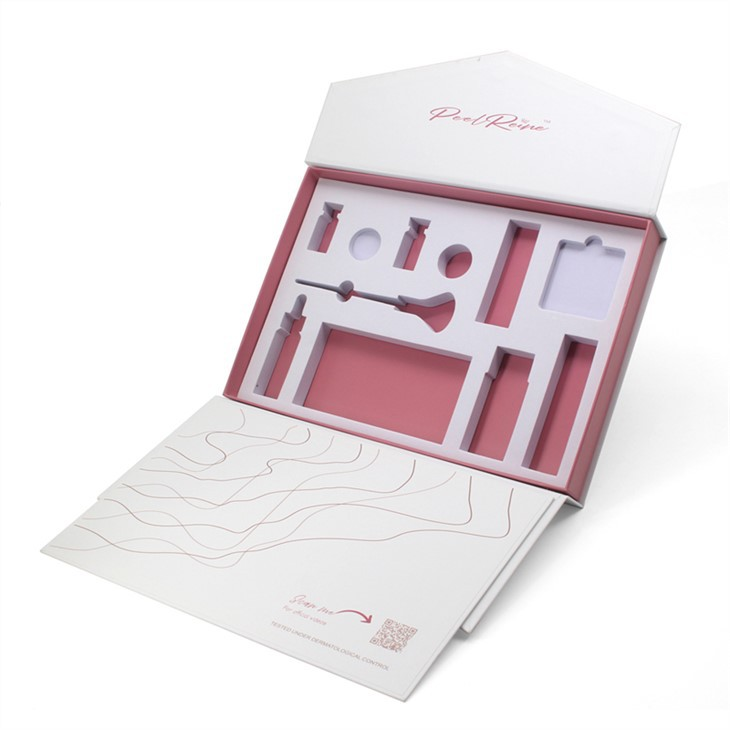
Tactile and auditory feedback heavily influence quality perception during the unboxing process. When a user closes a hinged magnetic box, the neodymium magnets pull the flap shut with a distinct, sharp "snap." This sound signals precision engineering and assures the customer that the contents are secure. The modern design allows for fast, easy, and often one-handed opening, which appeals to contemporary consumer preferences.
This seamless interaction suits high-end product presentations perfectly. Multi-item curated sets, influencer PR packages, and luxury cosmetics frequently utilize this format. The attached lid remains upright when opened, serving as a built-in display backdrop for the products nestled inside. This presentation style encourages immediate visual engagement without forcing the user to find a place to set down a detached lid. Brands often print high-contrast graphics or foil-stamped messaging on the inside of the lid to maximize this billboard space.
A high-friction telescoping lid creates a slow, deliberate reveal. The tight tolerances force the customer to lift the lid slowly, building anticipation as the internal vacuum gradually releases. Packaging engineers often conduct "drop tests" to measure how many seconds it takes for the base to slide out of the lid under its own weight. A smooth, three-second drop indicates premium manufacturing tolerances.
This classic, traditional aesthetic aligns perfectly with single, high-weight items. Premium spirits, heavy electronics, and luxury footwear rely on this format. The physical effort required to separate the heavy lid from the base reinforces the perceived weight and substantiality of the product inside. The two-piece design feels substantial in the hands, communicating legacy and permanence.
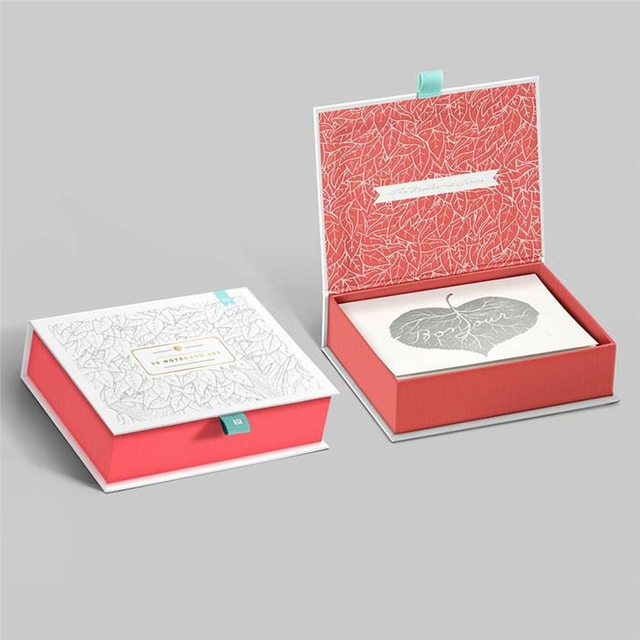
Consumers are statistically more likely to retain and repurpose hinged Magnetic Gift Boxes. The integrated lid makes them highly practical for home storage and display. Users keep them to organize jewelry, documents, or keepsakes on shelves and desks. This extended lifecycle keeps your brand visible in the customer's home long after the initial purchase, providing ongoing marketing value.
However, this reusability presents specific sustainability challenges at the end of the product lifecycle. While the paperboard itself is recyclable, the embedded neodymium magnets are not. Recycling facilities cannot process the metal hardware alongside paper pulp. Consumers must physically tear the box apart to remove the magnets before recycling. Two-piece boxes avoid this issue entirely, offering a straightforward recycling path once the user discards them, as they consist entirely of paper and water-based adhesives.
Both box types require custom inserts to hold products securely during transit. Factories utilize high-density EVA foam, cross-linked PE foam, molded pulp, or die-cut corrugated board to create these internal cavities. The way each box structure interacts with these inserts dictates its overall weight tolerance and protective capabilities.
You must engineer magnetic boxes around specific product weights and kinetic energy transfer. If a heavy glass bottle shifts during transit, its momentum transfers directly to the internal insert. If the insert pushes against the front flap, it can easily break the magnetic seal. To prevent this, structural engineers must design deep, tightly toleranced inserts that absorb kinetic energy before it reaches the closure mechanism. The insert must sit slightly below the rim of the base tray.
Lid and Base boxes naturally resist internal shifting and outward pressure. The overlapping walls of the lid and base create a double-thick barrier around the entire perimeter. This design provides superior vertical crush resistance and load-bearing strength. You can stack heavy items on top of a full-telescoping two-piece box without compromising the structural integrity of the base, making it ideal for palletized retail distribution.
Structural Feature | Magnetic Gift Boxes | Lid and Base Boxes |
|---|---|---|
Closure Mechanism | Concealed neodymium magnets | Friction and air resistance |
Inbound Shipping Format | Available in flat-pack or rigid setup | Rigid setup only (pre-assembled) |
Vertical Crush Resistance | Moderate (relies on single wall and insert) | High (double-wall overlapping construction) |
Fulfillment Speed | Slower (requires folding and adhesive assembly) | Faster (immediate pack-readiness) |
Primary Vulnerability | Hinge tearing under repeated stress | Corner splitting and lid warping |
Assess the specific failure points of each design before making a selection for your product line. The primary vulnerability of a magnetic box lies in the hinge. Repeated opening and closing stress the paper or fabric wrap connecting the lid to the base. Over time, excessive weight or rough handling can tear this hinge completely. Reinforcing the hinge with hidden Tyvek strips or utilizing high-tensile wrapping materials like synthetic leather mitigates this risk significantly.
Two-piece boxes face entirely different structural challenges in the field. Their primary failure points include corner splitting and lid warping. If the chipboard core absorbs moisture during ocean transit, the large, unsupported surface area of the lid can bow inward or outward. Additionally, blunt force impacts during rough courier shipping can split the rigid corners, compromising the friction fit and ruining the aesthetic presentation. Using thicker board and reinforcing the corners with heavy-duty stay tape prevents splitting.
Manufacturing costs diverge significantly between the two styles due to labor requirements. Two-piece boxes follow a straightforward, highly automated production path. Machines cut the chipboard, score the fold lines, form the trays, and apply the glued paper wrap with minimal human intervention. This streamlined process keeps unit costs relatively low and allows for massive daily production volumes.
Magnetic closures demand a more complex, labor-intensive assembly line. Factories must source specific neodymium magnets based on the required gauss rating. CNC machines must precision-mill the chipboard to house the hardware without punching all the way through. Workers often manually align the magnets, verify the polarity, and tape them in place before sealing the outer wrap. This additional labor and material complexity increases the baseline manufacturing cost.
The cost delta between the two styles begins to narrow only at very high volume thresholds. When ordering hundreds of thousands of units, automated magnet-insertion machinery offsets the manual labor costs, bringing the unit price closer to that of a premium two-piece box. However, for standard production runs, expect a higher initial outlay for magnetic structures.
Inbound freight economics often dictate the final packaging decision, regardless of unit manufacturing costs. Carriers calculate shipping costs based on dimensional weight. This metric accounts for the volume a package occupies relative to its actual physical weight. Shipping empty space destroys profit margins.
Flat-pack magnetic boxes offer a massive dimensional weight advantage. Because they ship completely flat, factories can pack hundreds of units onto a single pallet. This density slashes inbound ocean freight and domestic trucking costs. You can fit significantly more units into a standard shipping container, optimizing your supply chain logistics.
Rigid structures incur a severe volume penalty. Pre-assembled Lid and Base boxes, as well as non-collapsible magnetic boxes, ship fully formed. You are essentially paying to ship empty air across the ocean. This "shipping air" penalty can increase your inbound freight volume by 20% to 40%, rapidly consuming any unit-cost savings gained during the manufacturing phase. You must calculate the landed cost, not just the factory unit cost.
Evaluate the time-motion realities of your warehouse floor before committing to a structure. Two-piece boxes arrive ready to pack. An operator removes the lid, inserts the product, replaces the lid, and moves the unit down the line. This immediate pack-readiness maximizes hourly throughput and keeps fulfillment labor costs low.
Collapsible magnetic boxes require a dedicated assembly step at the packing station. An operator must pick up the flat board, fold the four walls into position, peel the protective strips off the adhesive corners, and hold the corners together for a few seconds to ensure a secure bond. This process adds 15 to 30 seconds per unit. While seemingly minor, this assembly time significantly impacts labor costs when scaling fulfillment to thousands of orders per day. You must train staff to apply even pressure to the adhesive corners to prevent the box from popping apart later.

Choose this structure when your project aligns with specific operational and aesthetic goals. This format excels in scenarios where presentation drives the perceived value and post-purchase retention is a marketing priority.
High-margin products: The luxury presentation and modern unboxing experience easily justify the marginal increase in packaging costs for premium cosmetics, jewelry, and tech accessories.
E-commerce optimization: Brands requiring optimized inbound shipping and storage space benefit immensely from collapsible variants, freeing up valuable warehouse racking.
Frequent interaction: Products requiring frequent opening and closing by the end-user benefit from the durable hinge and snap closure, keeping the components organized.
Display requirements: The attached lid serves as an excellent vertical billboard for branding when the box sits open on a retail shelf or in an influencer unboxing video.
Opt for the traditional two-piece structure when structural rigidity, classic aesthetics, and high-speed fulfillment take precedence over flat-pack shipping efficiency.
Brick-and-mortar retail: Traditional retail environments require secure stackability. The flat, reinforced tops of two-piece boxes allow for high vertical stacking on shelves without crushing the lower units.
Heavy payloads: Products demanding maximum structural rigidity and edge crush resistance, such as heavy glass decanters, cast-iron cookware, or dense electronics, require the double-wall protection of a telescoping lid.
Strict budget ceilings: Projects with hard limits on unit packaging costs benefit from the simpler manufacturing process and lower material expenses associated with automated wrapping.
High-volume fulfillment: Operations that need to pack thousands of units per hour cannot afford the time penalty of assembling flat-pack boxes.
A weak magnetic pull represents a critical risk for hinged structures. If the magnets fail to secure the lid during transit, the contents will spill. This risk multiplies if internal products shift and apply outward pressure against the front flap. A box that pops open in a courier network leads to immediate product loss.
Mitigate this by specifying correct magnet gauss ratings relative to the board thickness. Thicker chipboard requires stronger magnets to pull through the material. Engineer precise custom inserts to lock heavy items in place, preventing any kinetic transfer to the lid. For high-risk e-commerce shipments, utilize protective transit sleeves that slide over the closed box, physically preventing the flap from opening regardless of internal pressure.
Navigate international shipping regulations carefully. While small consumer magnets rarely trigger hazardous materials restrictions, bulk shipments of highly magnetized packaging may require specific documentation or shielding to comply with air freight regulations regarding magnetic fields. Always consult your freight forwarder before booking air transit for magnetic packaging.
Overly tight tolerances create a frustrating user experience. If the gap between the lid and the base is too narrow, pushing the lid down traps air inside. This trapped air creates a vacuum, making the box difficult or impossible to open smoothly. Customers may damage the box or drop the base while struggling to pull the lid off, ruining the unboxing experience.
Mitigate this by engineering precise micro-ventilation tolerances into the die-line. Leave a fraction of a millimeter of clearance to allow air to escape slowly. Alternatively, design semi-circular thumb notches into the sides of the lid. These notches break the vacuum seal and give the user a physical grip point to separate the components easily without relying entirely on friction.
Neither box structure is universally superior. The correct choice hinges on the specific intersection of your product weight, warehouse fulfillment capabilities, aesthetic goals, and inbound freight constraints. As a premier custom packaging manufacturer with over two decades of expertise, Guangzhou Yison Printing Co., Ltd. helps global brands navigate these trade-offs by delivering state-of-the-art rigid boxes tailored to exact operational and branding requirements.You must balance the upfront manufacturing cost against the hidden costs of shipping volume and assembly labor. Prioritize hinged magnetic structures for flat-pack shipping efficiency, curated multi-item sets, and reusable luxury presentation. Prioritize traditional two-piece boxes for maximum structural strength, retail stacking capabilities, and lower per-unit manufacturing costs.
To move forward with your packaging strategy, execute the following steps:
Request structural die-lines from your manufacturer to verify the exact dimensions, board thickness, and folding mechanisms.
Order unprinted physical prototypes to test custom insert fit, drop durability, and closure strength under real-world conditions.
Conduct a comprehensive landed-cost analysis comparing the freight costs of flat-pack delivery versus pre-assembled rigid delivery.
Perform a time-motion study on your fulfillment line to calculate the exact labor cost of assembling collapsible boxes versus packing ready-made two-piece units.
A: Yes, they require a higher initial investment per unit in manufacturing due to the cost of magnets and complex hinge wrapping, though flat-pack shipping savings can offset this.
A: Yes, collapsible magnetic boxes are designed to ship flat and assemble via adhesive corners, saving significant freight and warehouse space compared to rigid setup boxes.
A: Magnets must typically be removed before the paperboard can be recycled. Brands should design tear-away sections or educate consumers on proper disposal to maintain eco-friendly compliance.
A: Lid and Base boxes generally offer better vertical load-bearing strength and edge crush resistance, making them preferable for heavy items like glass bottles or electronics.
A: While not strictly required, custom inserts are highly recommended. Magnetic boxes function as a complete packaging system; inserts prevent product shifting, which can force the magnetic lid open from the inside during transit.


