

Views: 0 Author: Site Editor Publish Time: 2026-08-21 Origin: Site


The hidden financial drain of traditional premium packaging is shipping and storing "air." Rigid boxes consume massive warehouse footprints and inflate freight costs before a product is even packed. Every cubic inch of empty space inside a pre-assembled box translates directly into wasted capital. E-commerce brands and retailers face a persistent trade-off: downgrade to flimsy mailers to save on logistics, or absorb exorbitant storage and shipping fees to maintain a luxury unboxing experience. Folding Gift Boxes offer a structural compromise. By shipping flat and assembling on demand, they bridge the gap between operational efficiency and premium brand presentation. We will evaluate the structural types, procurement criteria, and financial impact for folding gift box programs. You need packaging that protects the product, looks high-end, and doesn't destroy your freight budget.
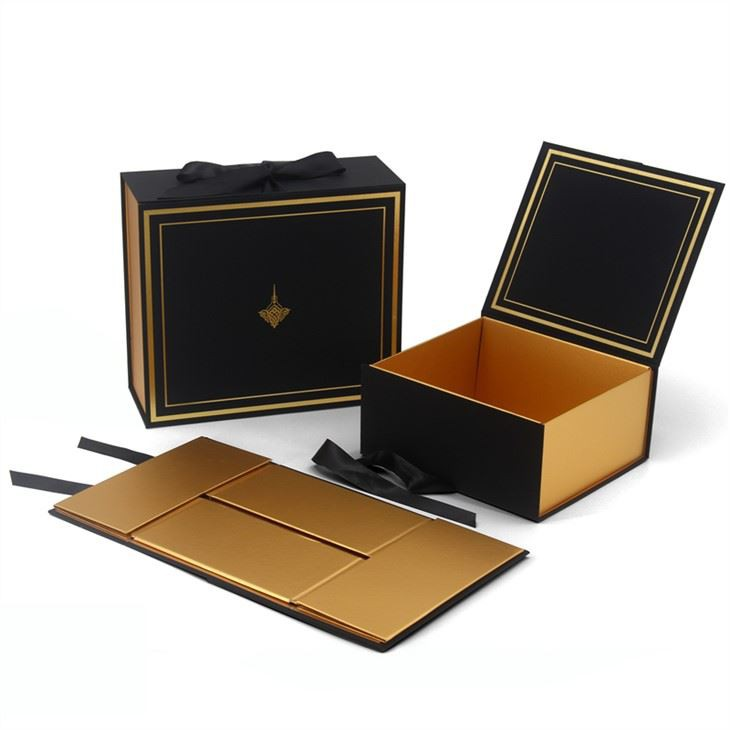
Logistical Efficiency: Folding gift boxes can reduce inbound freight volume and warehouse storage requirements by up to 80% compared to pre-assembled rigid boxes.
Labor vs. Space Trade-off: The space saved in storage must be weighed against the increased fulfillment time required for manual assembly at the packing station.
Structural Integrity: High-quality collapsible boxes utilize heavy-duty greyboard and reinforced adhesive corners to mimic the durability of traditional rigid setup boxes.
Customization Compatibility: These boxes support the full spectrum of luxury finishes (foil stamping, embossing, spot UV) as well as agile, low-MOQ printing techniques like DTF (Direct-to-Film), without compromising their ability to fold flat.
Table of Contents
Traditional rigid packaging presents severe logistical challenges driven entirely by volume. Freight carriers utilize dimensional weight pricing. They charge shippers based on the volume a package occupies rather than its actual physical weight. When importing or transporting pre-assembled rigid boxes, companies effectively pay premium freight rates to transport empty space. This volumetric penalty drastically reduces the number of units that can fit into a standard shipping container or domestic freight trailer. If you import a 40-foot container of pre-assembled boxes, you might fit a few thousand units. If those same boxes ship flat, that container holds tens of thousands of units. The inbound transportation costs multiply rapidly when you ship assembled boxes.
Warehouse storage introduces another layer of financial strain. Commercial real estate is measured and leased by the square foot. Allocating premium warehouse racking to store empty packaging inventory severely restricts the space available for revenue-generating product inventory. Pre-assembled boxes demand massive storage footprints. This forces brands into frequent, smaller packaging production runs that fail to capture volume manufacturing discounts. You end up managing constant packaging deliveries just to keep the fulfillment lines running without overflowing the warehouse.
Transit damage rates for pre-assembled boxes are notoriously high. During long-haul transit, shifts in pallet loads frequently result in crushed corners, scuffed wraps, and structural warping. Because the boxes cannot absorb impact without transferring force directly to their rigid walls, a significant percentage of inventory often arrives at the fulfillment center unfit for consumer presentation. You have to write off damaged packaging before it even reaches the packing station.
Transitioning to flat-pack solutions requires establishing strict success criteria. You must balance the perceived value of the unboxing experience with hard operational constraints. The packaging must feel substantial and luxurious to the end-user while remaining highly efficient for the fulfillment team to handle. A flimsy box damages the brand, but a complex box destroys fulfillment metrics.
Establishing baseline metrics ensures a successful rollout. Procurement teams must define a target cost-per-unit that accounts for both manufacturing and inbound freight. Simultaneously, operations managers must determine the maximum allowable assembly time per order. A box that takes too long to construct will create severe bottlenecks during peak season fulfillment. Finally, the packaging must meet specific crush resistance standards to ensure the product remains protected during final-mile delivery. You need a box that survives the courier network without requiring excessive outer void fill.
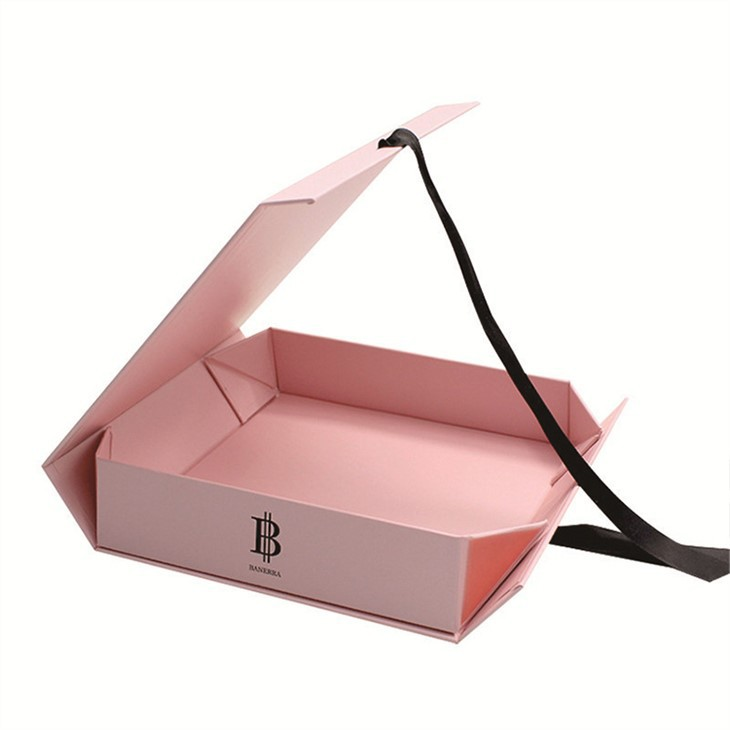
Magnetic closure designs represent the industry standard for luxury e-commerce. These structures feature hidden neodymium magnets embedded within the front flap and the corresponding base wall. When the packer folds the box into shape, the magnets snap together. This instantly locks the structure into a rigid, premium form. The tactile snap provides a high-end sensory experience for the consumer upon opening and closing.
These boxes excel in high-value product categories. High-ticket electronics, cosmetics, luxury apparel, and VIP corporate gifting programs frequently utilize magnetic closures to elevate perceived value. The robust construction allows consumers to repurpose the packaging for long-term home storage. This extends brand visibility long after the initial purchase. The magnets must be properly gauged; too weak, and the box pops open during transit. Too strong, and the consumer struggles to open the flap gracefully.
For brands seeking alternatives to magnetic hardware, ribbon-tie and friction-fit designs offer viable structural solutions. Ribbon-tie boxes utilize grosgrain or satin ribbons integrated into the flaps. The user must physically tie the box shut. Friction-fit designs rely on precisely engineered, tight-fitting interlocking paperboard flaps. These hold the box together through sheer structural tension without any hardware.
These alternatives present distinct advantages. They are generally more sustainable. The absence of embedded magnets simplifies the recycling process for the end consumer. Removing magnetic hardware also lowers the overall manufacturing unit cost. However, these designs require slower assembly times at the packing station. Ribbon ties rely heavily on packer consistency. An unevenly tied bow can negatively impact the uniform look of the brand presentation. Friction-fit boxes require precise die-cutting; a millimeter of variance means the box either won't close or falls apart.
It is critical to differentiate between lightweight folding cartons and heavy-duty rigid foldable hybrids. Standard folding cartons are typically constructed from 300-400gsm paperboard. They are lightweight, inexpensive, and suitable for standard retail shelf products. They lack the structural heft associated with luxury gifting. You fold them along scored lines, but they remain flexible and prone to crushing.
Rigid foldable hybrids utilize a dense 1-2mm greyboard core wrapped in specialty paper. This core provides the thick, unyielding walls characteristic of traditional setup boxes. The engineering marvel lies in the v-groove cuts milled into the greyboard. These cuts remove a triangular section of the board, allowing the thick panels to hinge and fold flat without snapping. This distinction in board thickness is the primary factor dictating both the protective qualities and the premium feel of the final package.
Selecting the correct packaging architecture requires comparing collapsible designs against other popular formats. You must ensure alignment with product requirements and fulfillment capabilities.
Packaging Format | Primary Advantage | Primary Disadvantage | Best Use Case |
|---|---|---|---|
Collapsible Rigid Box | Premium feel with flat-pack storage efficiency. | Requires manual assembly at fulfillment. | Luxury e-commerce, high-end apparel, electronics. |
Corrugated Mailer Box | Superior shipping durability; highly cost-effective. | Lacks the keepsake, high-end presentation of rigid board. | Subscription boxes, heavy goods, standard e-commerce. |
Drawer (Slipcase) Box | Unique unboxing reveal mechanism. | Cannot fold flat; highly inefficient for warehouse storage. | Small luxury items, jewelry, boutique retail. |
Pillow & Gable Boxes | Extremely fast assembly; very low unit cost. | Poor structural integrity; low perceived value. | Lightweight accessories, candies, event favors. |

The foundation of any rigid foldable structure is its core material. Procurement teams must assess the density and composition of the board. Recycled greyboard is the standard. It offers excellent rigidity and environmental benefits. Chipboard provides a slightly less dense alternative. Specialized corrugated cores can be used to reduce weight without sacrificing crush resistance. The board grade determines how the box feels in the hand.
The wrap material applied over the core dictates the visual and tactile experience. Art paper provides a smooth canvas for vibrant printing. Kraft paper communicates an organic, eco-friendly aesthetic. Textured specialty papers add tactile luxury but require careful engineering at the fold lines. The interaction between the wrap material and the v-groove hinges is critical. The wrap must possess enough tensile strength to withstand repeated folding without cracking or tearing. If the paper is too brittle, the hinge fails immediately.
Evaluating the labor cost of assembly is paramount when integrating flat-pack solutions. Operations teams must conduct precise time-in-motion studies to calculate the true cost of fulfillment. Folding Gift Boxes generally utilize either 4-corner adhesive peel-and-stick setups or non-adhesive friction mechanisms.
Peel-and-stick designs feature double-sided adhesive tape on the corner flaps. Once the packer removes the backing and presses the corners together, the box becomes permanently rigid. This method offers maximum stability but cannot be re-collapsed. Non-adhesive mechanisms allow the box to be broken down and stored flat by the consumer, enhancing reusability. Calculating the impact of a 10-second assembly time versus a 30-second assembly time is crucial. During peak holiday seasons, an extra 20 seconds per order can create catastrophic bottlenecks on the packing line.
To standardize the process, fulfillment centers typically follow a strict sequence:
Remove the flat box from the master carton and place it face down on the packing station.
Fold the four side walls upward along the pre-milled v-groove hinges to form the base.
Peel the protective backing off the double-sided adhesive strips located on the corner flaps.
Press the adhesive flaps firmly against the adjacent walls to lock the rigid structure in place.
Engage the magnetic front flap or tie the ribbon closure to secure the final shape before packing the product.
Enterprise customization relies on high-volume offset printing and flexography. These methods achieve precise Pantone color matching and complex graphics across massive production runs. Traditional methods offer the lowest cost-per-unit at scale but require significant upfront investment in printing plates and setup times. You must commit to large volumes to make offset printing viable.
For agile operations and emerging brands, utilizing DTF (Direct-to-Film) transfers allows for low-MOQ branding on blank stock boxes. This technique enables companies to achieve a custom look without massive upfront tooling costs. You can test different designs and seasonal variations with minimal financial risk. DTF applies a durable, high-resolution graphic directly to the paper wrap.
Luxury finishes elevate the structural design. Hot foil stamping, deep debossing, and soft-touch laminations transform standard board into premium packaging. The internal architecture is equally vital. Designing custom inserts ensures product protection. Whether you use die-cut foam, molded pulp, or folded paperboard, the insert must hold the item securely. The engineering challenge is designing inserts that ship flat or nest efficiently. They must not negate the space-saving benefits of the collapsible outer box.
The manufacturing unit cost of a collapsible rigid box is typically higher than that of a standard pre-assembled rigid box. This premium accounts for the complex v-groove milling, the integration of magnetic hardware, and the precise application of adhesive strips. You are paying for the engineering required to create a functioning hinge system. Evaluated strictly on a per-unit manufacturing basis, flat-pack designs appear more expensive.
This initial cost increase is rapidly offset by dramatic reductions in inbound logistics. Because the boxes ship entirely flat, brands can fit exponentially more units onto a single pallet. This density drastically reduces the number of shipping containers required for overseas freight. It also minimizes domestic trucking fees. When calculating the net landed cost—which includes manufacturing, ocean freight, drayage, and final delivery to the fulfillment center—the flat-pack model consistently yields a lower overall financial burden.
Warehouse storage costs directly impact profit margins. Formulas for calculating storage savings rely on comparing the cubic volume of flat-pack dimensions against fully assembled dimensions. A standard rigid box might occupy a massive amount of shelf space, while its collapsible counterpart occupies a fraction of that volume when flat. This reduction in volume frees up valuable pallet locations for actual product inventory.
This space reduction fundamentally alters inventory forecasting. Brands are no longer restricted by warehouse capacity when ordering packaging. The ability to order larger quantities due to a smaller footprint allows procurement teams to unlock higher volume discounts from manufacturers. This drives down the per-unit cost and improves the return on investment for the packaging program. You can hold six months of packaging inventory in the space that previously held one month.
Navigating MOQs requires strategic planning. Custom sizes engineered specifically for a unique product typically demand higher MOQs. Manufacturers need to justify the custom die-making and machine setup time. Upfront tooling costs for bespoke dielines and custom print plates require significant capital allocation. You must be certain of your product dimensions before committing to a custom run.
Leveraging stock sizes drastically lowers the barrier to entry. Many suppliers maintain standing inventory of standard flat-pack dimensions. Brands can bypass custom tooling costs by purchasing these stock sizes. You can apply post-production customization, such as DTF transfers or localized foil printing. This hybrid approach balances the need for brand identity with strict budget management.
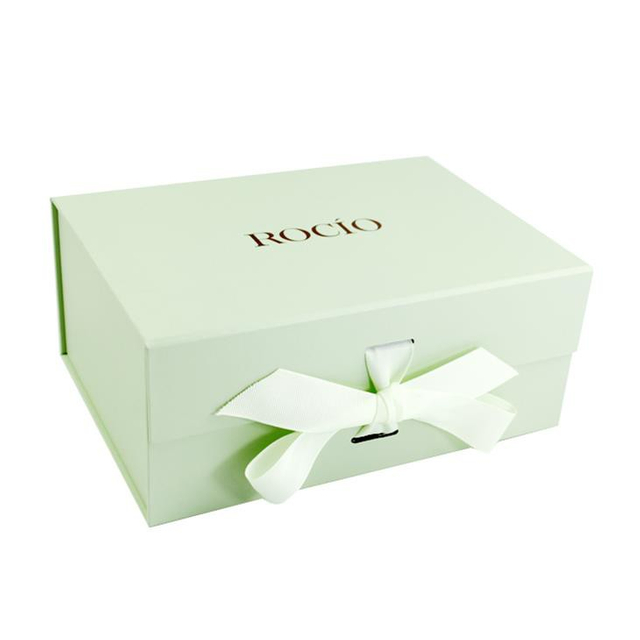
A primary risk in utilizing peel-and-stick corner constructions is adhesive failure. Standard adhesives can degrade when exposed to extreme warehouse temperatures or high humidity environments. This causes the box to spontaneously disassemble after packing. If the adhesive loses its tack, the structural integrity of the entire package is compromised. The box will collapse in the customer's hands.
Mitigating this risk requires strict material specifications. Procurement must specify industrial-grade adhesives designed for varying climates. Requesting climate-chamber testing during the prototyping phase ensures the adhesive will hold. You must test the boxes under the specific environmental conditions of your fulfillment centers and shipping routes. Do not accept generic double-sided tape for load-bearing corners.
The v-groove hinges are the most vulnerable points on a collapsible box. Hinge fatigue occurs when the paper wrap cracks or tears along the fold lines during assembly. This exposes the raw greyboard beneath. It instantly destroys the premium aesthetic and weakens the box. A torn hinge renders the packaging unusable for luxury presentation.
To prevent tearing, packaging engineers must specify flexible lamination films applied over the printed wrap. Matte or gloss laminations provide essential tensile strength. They allow the paper to stretch slightly as the hinge closes. For ultra-heavy-duty applications, utilizing reinforced binding cloth or specialized synthetic papers at critical stress points guarantees the hinge will survive repeated folding without failure.
Introducing manual assembly steps at the packing station introduces the risk of workflow bottlenecks. Complex folding sequences or stubborn adhesive backing strips can slow down packers. This decreases overall warehouse throughput and increases labor costs per order. If a packer struggles to align the corners, the entire shipping line backs up.
Implementing standardized packer training is essential for smooth operations. Providing clear, visual assembly instructions ensures consistency. Utilizing custom assembly jigs can drastically reduce assembly time. A jig is a simple wooden or plastic frame that holds the flat board in place while the packer folds the walls. Conducting rigorous time-studies prior to a full facility rollout allows operations managers to identify and eliminate inefficiencies before peak shipping seasons begin.
Folding gift boxes represent a highly effective structural compromise for brands constrained by high freight costs and limited warehouse space. By converting empty volume into dense, flat-packed pallets, these structures solve the core logistical inefficiencies of traditional rigid packaging. You must carefully evaluate the trade-offs between assembly labor and freight savings to ensure this packaging format aligns with your operational capabilities.
To turn these packaging efficiencies into a real competitive advantage, partnering with an experienced manufacturer is key. Guangzhou Yison Printing Co., Ltd. is a leading custom packaging manufacturer with over 15 years of industry expertise, combining advanced structural engineering with eco-friendly production to deliver high-end, space-saving folding gift box solutions globally.
To successfully implement a flat-pack packaging program, execute the following steps:
Request structural flat-pack samples from multiple vendors to physically test hinge durability and board density.
Conduct a time-in-motion assembly test with your fulfillment team to calculate exact labor costs per unit.
Calculate the exact volumetric savings based on your current packaging dimensions to determine the impact on pallet density.
Audit your warehouse climate conditions to ensure you specify the correct adhesive grade for the corner flaps.
A: When assembled correctly, high-quality folding gift boxes made with 1.5mm to 2mm greyboard offer comparable crush resistance and structural integrity to traditional two-piece rigid boxes. The strength relies heavily on the quality of the corner adhesives and the density of the core board.
A: Because they ship and store completely flat, folding gift boxes typically require 70% to 80% less storage volume than pre-assembled rigid boxes of the same internal dimensions. This allows for significantly higher pallet density and reduced storage fees.
A: Yes. Standard magnetic closures must be removed before the paperboard can be recycled. Brands prioritizing sustainability should look for vendors offering hidden tear-strips for easy magnet removal or opt for ribbon-tie and friction-fit closures instead.
A: Depending on the specific design mechanics, a trained packer can assemble a standard folding gift box in 5 to 15 seconds. Using custom assembly jigs at the packing station can further reduce this time and ensure consistent corner alignment.
A: Yes, provided the box utilizes permanent adhesive corners and a high-density board grade. For heavy items, it is critical to test the base strength and ensure the folding mechanism does not compromise the overall load-bearing capacity during transit.
A: Yes. Many suppliers offer stock folding gift boxes that can be customized post-production. Small businesses can utilize techniques like Direct-to-Film (DTF) transfers, custom sleeves, or localized foil stamping to achieve branded packaging without committing to massive production runs.


