

Views: 0 Author: Site Editor Publish Time: 2026-08-21 Origin: Site


The unboxing experience directly impacts customer retention and perceived brand value across the luxury, beauty, and gifting sectors. When consumers open a premium package, the tactile feedback sets the tone for the product inside. Sourcing rigid packaging presents distinct engineering challenges. You must balance structural integrity, precise manufacturing tolerances, and unit economics. This becomes especially vital when shipping high-value or fragile items requiring absolute protection. Standard folding cartons often fail to provide the necessary rigidity. We will explore material specifications, insert engineering, and supply chain strategies. You will learn how to ensure product protection, maintain strict brand alignment, and optimize supply chain efficiency. We focus on actionable steps to mitigate production risks before mass manufacturing begins.
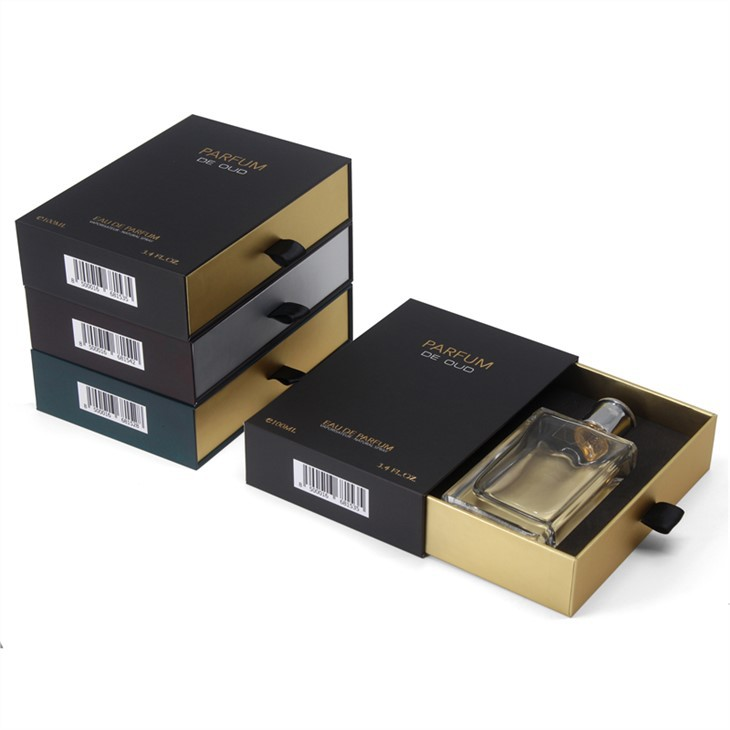
Material Specifications Dictate Durability: Selecting the correct greyboard thickness (typically 800gsm to 1500gsm) is critical to preventing warping and crushing during transit.
Inserts Make or Break the Application: The choice between EVA foam, molded pulp, or velvet-lined sponge must align with the product's weight, fragility, and the brand's sustainability goals.
Tolerances are Non-Negotiable: A premium drawer box requires exact friction tolerances between the sleeve and the inner tray; too tight causes tearing, too loose ruins the premium feel.
Shipping Volume Impacts ROI: Because rigid drawer boxes cannot be shipped flat, freight costs must be calculated into the per-unit packaging budget early in the procurement process.
Table of Contents
The slide-to-reveal action deliberately slows down the unboxing process. This physical friction increases consumer anticipation. It elevates the perceived value of the enclosed product significantly. Consumers naturally associate physical weight and mechanical resistance with luxury items. A well-engineered pull mechanism forces the user to engage both hands. This creates a focused, momentary interaction entirely centered on your product. The smooth glide of the inner tray communicates manufacturing precision. This subtle tactile feedback reinforces brand positioning before the product is even visible. We engineer these boxes to create a slight vacuum effect. As the drawer pulls out, air rushes in to fill the void. This resistance mimics the feel of high-end cabinetry.
Rigid slipcase-and-tray designs offer superior crush resistance compared to standard folding cartons. Greyboard construction withstands significant vertical pressure and lateral impacts. A properly specified Drawer Box protects fragile items from blunt force trauma. This makes them highly suitable for demanding retail environments. They also excel in direct-to-consumer shipping networks where packages endure rough handling. Standard 350gsm paperboard often collapses under the weight of stacked pallets. Rigid structures maintain their exact dimensional shape throughout the entire logistics chain. We regularly see folding cartons fail drop tests because the corners crush inward. Rigid boards distribute the impact force across the entire geometric plane of the sleeve.
Consumers rarely discard premium rigid packaging after the initial opening. They frequently repurpose these sturdy boxes for household storage. This behavior holds especially true in the jewelry and cosmetics sectors. Users store makeup brushes, rings, or small accessories in the original packaging. This repurposing extends the brand visibility lifecycle for months or years. Every time the consumer opens the repurposed box, they interact with your logo. This continuous exposure builds long-term brand recall without additional marketing spend. We design the inner trays to be easily removable for exactly this reason. A removable EVA foam insert leaves a clean, empty cavity perfect for secondary storage.
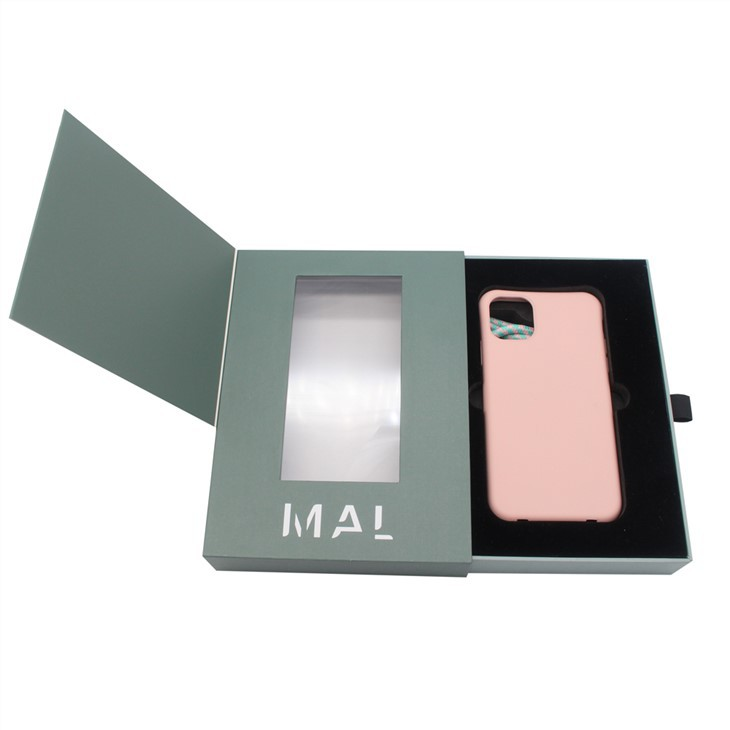
The structure relies on two primary components working in tandem. The outer sleeve acts as the protective structural shell. It absorbs external impacts and provides the primary branding canvas. The inner drawer holds the product securely in place. These two components must interact with exact dimensional precision. The sleeve requires a slightly larger internal dimension than the drawer's external footprint. We typically engineer a 1mm to 1.5mm clearance gap. This micro-gap allows trapped air to escape during the sliding motion. Without this air release, creating a vacuum effect makes opening the box frustrating. If the gap exceeds 2mm, the drawer rattles and feels cheap.
Greyboard forms the structural foundation of all rigid packaging. You measure greyboard thickness in grams per square meter (GSM). Selecting the correct GSM prevents the box from warping under stress. Heavier products require exponentially thicker board to prevent bottom sagging. If the inner drawer sags, it will catch on the outer sleeve. We also look at the moisture content of the board. High moisture content leads to warping after the wrapping paper is glued down.
Product Weight Category | Recommended Greyboard Thickness | Typical Industry Application |
|---|---|---|
Under 100g | 800gsm - 1000gsm (approx. 1.2mm - 1.5mm) | Small jewelry, single lipsticks, light accessories |
100g - 500g | 1200gsm (approx. 2.0mm) | Skincare sets, medium gift items, small electronics |
500g - 1kg | 1500gsm (approx. 2.5mm) | Heavy glass bottles, premium PR kits, hardware |
Over 1kg | 1800gsm+ (Double-wall reinforced) | Liquor bottles, heavy multi-item luxury sets |
You must wrap the raw greyboard in a finishing paper. The choice of wrapping paper dictates the visual aesthetic and durability. Each material presents specific manufacturing trade-offs. We pay close attention to the paper grain direction. The grain must run parallel to the primary folds to prevent the paper from cracking at the hinges.
Coated Art Paper (157gsm): This remains the best option for high-fidelity printing. It accepts complex CMYK artwork and protective laminations easily. However, it remains prone to corner wear if you skip lamination.
Kraft Paper (120gsm - 150gsm): Ideal for minimalist, eco-friendly, and artisan brands. It severely limits complex printing options due to ink absorption. It pairs excellently with single-color screen printing or metallic foil.
Specialty and Textured Papers: These deliver exceptionally high tactile value. They mimic textures like linen, leather, or wood grain. They require specialized industrial adhesives, like jelly glue, to prevent edge delamination over time.
Velvet or Flocked Wrapping: This provides the maximum luxury feel available. It is highly susceptible to attracting dust during transit. You cannot print on velvet easily, requiring hot foil stamping with brass dies instead.
Jewelry packaging demands strict chemical compliance. You must use anti-tarnish linings and sulfur-free materials exclusively. Standard paper pulp and industrial glues contain trace sulfur compounds. These compounds accelerate metal oxidation and ruin silver pieces rapidly. You must specify sulfur-free greyboard and specialized synthetic adhesives. Evaluate functional structures and item-specific inserts carefully. Use precise H-slits and fabric hooks to secure delicate necklaces. Implement precision punch holes for stud and drop earrings. Velvet pillows or rigid C-cuffs work best for displaying bracelets and watches. We often use a V-groove cutting method on the greyboard for jewelry boxes. This creates perfectly sharp 90-degree corners instead of the rounded edges seen on standard half-cut boards.
Developing a cohesive lineup requires strategic planning. You must maintain uniform branding across varying box sizes. Material consistency must remain identical from small ring boxes to large statement piece drawers. Matching friction tolerances across an entire collection ensures brand consistency. A small earring box should slide open with the same resistance as a large necklace box. This uniformity signals high-level quality control to the consumer.
Heavy glass serums and perfume bottles present unique weight distribution challenges. The inner tray must support concentrated weight without bowing. If the tray bows, the drawer will jam inside the sleeve. You must reinforce the base of the inner drawer for heavy cosmetics. We often specify a double-thick base board for anything over 500 grams. Discuss oil-resistant and moisture-resistant interior coatings with your manufacturer. Serums and essential oils occasionally leak during air transit due to pressure changes. A moisture-resistant coating protects the structural integrity of the greyboard against accidental product leakage. Without this coating, leaked oils will dissolve the adhesive and destroy the box.
Multi-item layouts require careful spatial planning. Outline strategies for modular compartments using rigid dividers. You must map out the exact placement of each item to balance the overall weight. An unbalanced box feels awkward when handled and can slide out of the user's hands. Evaluate the integration of functional upgrades. Vanity mirrors placed inside the sleeve add immediate value. Detachable storage trays allow users to organize items easily. Carry handle variants transform the box into a standalone presentation piece. Handles require reinforced anchor points, usually metal grommets, to prevent tearing under load.
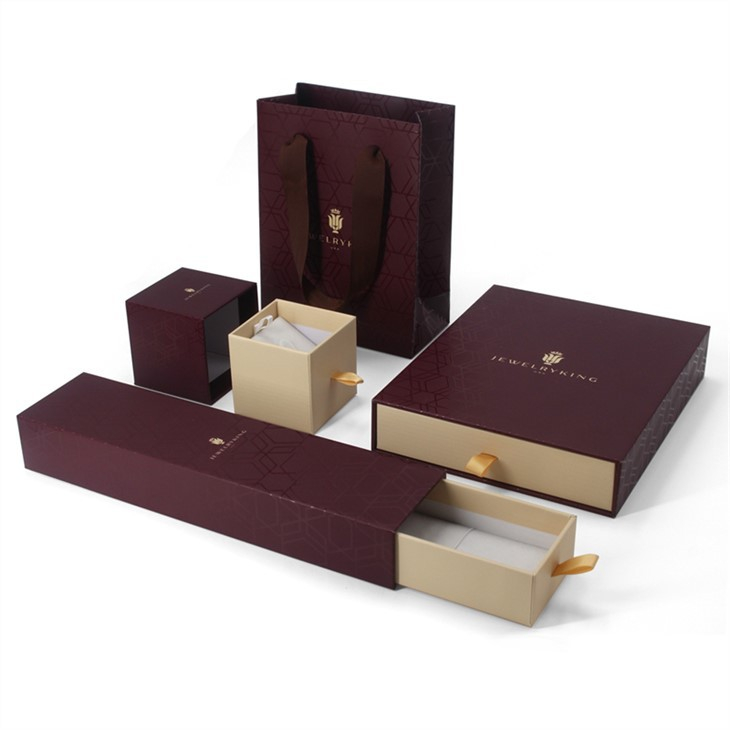
The internal insert secures the product and absorbs shock. High-density EVA foam offers the cleanest die-cut lines available. We typically specify a 35 to 40-degree shore hardness for optimal balance between rigidity and cushioning. It provides excellent shock absorption for heavy or fragile items. However, EVA carries a higher environmental footprint and is difficult to recycle. EPE foam offers more flexibility and better impact resilience. It looks slightly less premium due to its visible cellular structure. Standard polyurethane sponge provides a soft cushion. Sponge lacks rigid structural support and is only suitable for lightweight, non-fragile items.
Brands with strict eco-compliance mandates need viable alternatives to petrochemical foams. Molded pulp offers excellent custom-fit protection for complex shapes. Wet-press molded pulp provides a smooth, refined finish suitable for luxury goods. It utilizes recycled paper fibers and is fully biodegradable. Corrugated inserts provide strong structural support through engineered folds. Custom-engineered paperboard trays deliver precise fitment using only folded rigid paper. These paper-based alternatives require highly accurate structural design. The die-lines must account for the exact dimensions of the product to prevent shifting.
Raw protective materials often look unfinished and industrial. You must apply surface finishing to elevate the presentation. Detail the application of velvet, silk, or printed cardstock over foam bases. This top layer masks the raw protective materials completely. It also prevents micro-scratches on highly polished products. Hard plastics or polished metals scratch easily against raw paperboard edges. A flocked velvet top layer provides a soft barrier. It ensures the product emerges in pristine condition. We use a heat-lamination process to bond the velvet to the EVA foam, avoiding liquid glues that can off-gas and cloud polished metals.
The ribbon pull remains the industry standard for drawer boxes. You must evaluate your ribbon materials carefully. Grosgrain offers excellent durability and a ribbed texture for better grip. Satin provides a smooth, glossy finish but can be slippery. Anchoring methods matter immensely for long-term durability. Glued ribbons often detach after repeated pulling. Slotted anchoring methods pass the ribbon through the board and glue it behind the lining. This mechanical lock prevents detachment and ensures longevity. We also heat-seal the exposed ends of the ribbon to prevent fraying over time.
The thumb notch provides a minimalist, cost-effective alternative to ribbons. It requires no additional materials or manual assembly steps. Die-cut precision is absolutely mandatory here. The manufacturer must use sharp, well-maintained steel rule cutting dies. Poorly cut notches lead to edge fraying and exposed greyboard. This creates a cheap, unfinished appearance. You must specify the exact radius of the half-moon cut. It must be large enough to accommodate an average thumb comfortably without compromising structural rigidity. A 20mm to 25mm diameter usually works best.
Hardware pulls suit ultra-premium applications perfectly. Assess the implementation of metal knobs, leather loops, and acrylic pulls. These additions significantly impact assembly time and unit cost. You must ensure the hardware anchors securely through the rigid board. Screw-post mechanisms offer the best security for metal knobs. We countersink the screw heads on the inside of the drawer so they do not scratch the product insert. Leather loops require heavy-duty stitching and strong adhesive backing. Hardware pulls add physical weight to the drawer face. You must account for this weight to prevent the drawer from sliding open unintentionally when tilted.
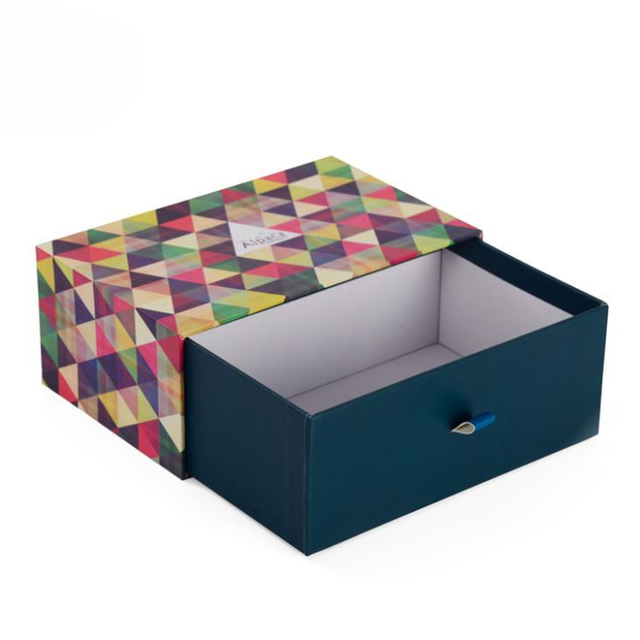
Premium finishing techniques elevate standard wrapping paper. Explain how to use high-contrast finishes on matte backgrounds. Hot foil stamping applies metallic pigment using heat and pressure. We prefer brass dies over magnesium for runs over 5,000 units because brass holds finer details without degrading. It creates visual depth without altering the structural integrity of the board. Spot UV applies a clear, glossy polymer to specific design elements. It highlights logos and intricate patterns effectively against a soft-touch matte background. These techniques draw the eye and encourage tactile exploration.
Pressing rigid boards presents distinct physical limitations. Detail the risks of pressing thick greyboard. Deep impressions risk paper stress or cracking on the outer sleeve. The wrapping paper can tear if the embossing die is too sharp. You must balance the depth of the deboss with the board's structural limits. Blind debossing works best on softer, thicker specialty papers. If you require a deep impression, the manufacturer must deboss the wrapping paper before gluing it to the rigid board. Attempting to deboss a fully assembled 1200gsm board requires massive tonnage and often crushes the surrounding area.
Lamination protects the printed surface from transit damage. Compare soft-touch, anti-scratch matte, and standard gloss laminations. Soft-touch provides a premium, suede-like tactile feel. However, it attracts fingerprints easily. Anti-scratch matte remains a strict necessity for dark-colored boxes. Dark surfaces easily show scuffs and friction marks during shipping. Gloss lamination offers the best protection against moisture and tearing. It provides a highly reflective surface that makes colors pop vibrantly. We test lamination adhesion using dyne pens to ensure the surface tension is correct before applying spot UV over the laminate.
Rigid boxes ship fully assembled from the manufacturing facility. Shipping empty space represents the primary drawback of this packaging style. Volumetric weight often exceeds actual physical weight. Address this by optimizing master carton dimensions. You must maximize pallet density to mitigate excessive freight costs. Work with your logistics provider to calculate exact pallet configurations. Sometimes, reducing the box dimension by just five millimeters allows an extra layer on the pallet. This small adjustment reduces per-unit shipping costs significantly. We specify 200 lb test corrugated board for the master cartons to prevent the bottom layers from crushing under pallet weight.
Custom packaging requires upfront investment in specialized tooling. Custom die-lines, specialized foam inserts, and custom-dyed ribbons impact initial setup costs. Manufacturers enforce Minimum Order Quantities to amortize these fixed tooling fees. Lower volumes result in drastically higher per-unit costs. You must forecast your inventory needs accurately. Ordering larger quantities reduces the unit cost but increases warehousing requirements. Balance your cash flow against the volume discounts offered by the factory. Setting up the automated gluing machines takes hours; factories will not do this for a few hundred boxes.
Mitigate mass-production risks by following a strict phased approach. Never skip the prototyping phase. First, review a 3D structural rendering to confirm dimensions. Next, request a blank "white" sample made from the actual greyboard. Use this to test fit, friction tolerances, and product insertion. Finally, approve a pre-production color sample for finish verification. Check the foil alignment, color accuracy, and lamination quality. Only authorize mass production after signing off on this final physical sample. We mandate an ISTA 1A drop test on the final prototype to ensure the insert protects the product during transit.
Ocean freight exposes packaging to severe climate variations. Temperature and humidity fluctuations cause significant issues. Glue seepage occurs when adhesives react to high heat inside shipping containers. This leads to adhesive failure or visible stains on the wrapping paper. We specify high-temperature resistant jelly glue for shipments crossing the equator. Board swelling happens in high humidity environments. Swelling alters the precise alignment tolerances between the sleeve and drawer. This creates a severe risk of the inner drawer becoming permanently stuck. Specify moisture-absorbing desiccants inside every master carton to control humidity.
A well-engineered Drawer Box remains the optimal choice for brands prioritizing the unboxing experience. It delivers superior structural protection over standard folding cartons. While it requires a higher initial investment, the return on brand perception is substantial. Procurement teams must select manufacturing partners based on specific technical capabilities. Prioritize partners who provide precise physical prototypes and custom insert engineering. Demand transparent material sourcing to ensure chemical and environmental compliance.
As a trusted leader in custom luxury packaging, Guangzhou Yison Printing Co., Ltd. brings decades of structural engineering expertise, advanced manufacturing technology, and strict quality control to bring your premium drawer box designs to life seamlessly.
Take these actionable next steps to initiate your packaging project:
Request a custom structural dieline tailored exactly to your specific product dimensions.
Order a blank physical sample to rigorously test friction tolerances and sliding functionality.
Conduct a drop-test with the actual product inside to verify insert shock absorption.
Verify all material certifications for anti-tarnish claims or eco-friendly compliance standards.
Calculate volumetric freight costs early to establish an accurate landed unit budget.
A: The industry standard tolerance requires a 1-2mm gap between the inner tray and outer sleeve. This precise measurement ensures smooth sliding functionality. It prevents the drawer from falling out under its own weight when held vertically. Tighter tolerances cause the box to jam, while looser tolerances feel cheap and poorly constructed.
A: No, traditional rigid drawer boxes cannot be shipped flat. They are manufactured from thick greyboard and fully glued into their final three-dimensional shape at the factory. You must account for volumetric weight when calculating your shipping and logistics budget.
A: Yes, they are highly suitable for heavy glass. You must specify a thicker greyboard, typically 1500gsm or higher, for the base. Additionally, use high-density EVA foam inserts to support the concentrated weight and prevent the inner tray from bowing under pressure.
A: You must specify sulfur-free materials for both the wrapping paper and the industrial adhesive. Standard packaging materials emit sulfur gases over time. Using specialized anti-tarnish velvet linings will protect silver jewelry from accelerated oxidation and discoloration.
A: A precision die-cut thumb notch offers the cleanest minimalist aesthetic. It eliminates the need for external hardware or fabric ribbons. Ensure the manufacturer uses sharp tooling to prevent any edge fraying or exposed greyboard around the notch.
A: Dark printed surfaces highlight micro-abrasions caused by friction during transit. To prevent this, you must apply an anti-scratch matte lamination. Standard matte lamination will not provide sufficient protection against transit scuffs and handling marks.
A: If humidity causes the greyboard to swell, place the boxes in a climate-controlled, dry room with dehumidifiers for 48 hours. The board will release the trapped moisture and shrink back to its original dimensions, restoring the sliding function.


