

Views: 0 Author: Site Editor Publish Time: 2026-09-21 Origin: Site


Premium unboxing experiences directly drive perceived product value in high-end retail and e-commerce. Brands face a constant challenge. They must balance luxury aesthetics against practical realities like structural integrity and supply chain logistics. Standard packaging often falls short when protecting high-value items or communicating exclusivity. The solution lies in premium packaging standards. A well-engineered rigid box serves as the industry benchmark for luxury presentation. It provides a robust physical structure while acting as a blank canvas for high-end tactile finishes. Evaluating material specifications, structural styles, and logistical impacts is necessary before committing to a manufacturing run. Understanding these technical components ensures your packaging strategy aligns with both brand positioning and operational capabilities.
Structural Superiority: A rigid box is constructed from high-density chipboard (typically 36 to 120 pt), offering unmatched durability and product protection compared to standard folding cartons.
Brand Equity vs. Unit Cost: While rigid boxes require a higher initial investment per unit, they directly support premium pricing models and increase customer retention through elevated unboxing experiences.
Supply Chain Impact: Because traditional rigid boxes are shipped fully assembled, brands must account for increased dimensional weight (DIM) in freight and higher warehousing space requirements—though collapsible styles offer a strategic workaround.
Customization Depth: The separation of the structural core from the outer wrap allows for limitless tactile finishes, including foil stamping, embossing, and specialty textured papers.
Table of Contents
The structural foundation of this packaging is high-density chipboard, commonly referred to as greyboard. This material provides the necessary strength to support heavy items and resist crushing forces during transit. Greyboard thickness is measured in points (pt) or millimeters (mm). Standard ranges fall between 1.5mm (roughly 60 pt) and 3mm (roughly 120 pt). The selection of board thickness directly impacts the final weight and durability of the packaging.
Product weight and dimensions dictate the required board thickness. Lightweight cosmetics or small jewelry pieces perform perfectly well in a 1.5mm structure. Heavy glass spirits bottles or dense consumer electronics require a 2.5mm to 3mm core to prevent warping or structural failure. Specifying the correct thickness ensures the board maintains its shape under compression. You must also account for moisture content. Factory-grade greyboard typically maintains an 8% to 12% moisture level to prevent the boards from bowing or warping when exposed to humidity changes during ocean freight.
Greyboard Thickness | Point Equivalent (approx) | Best Use Cases | Structural Rigidity |
|---|---|---|---|
1.0mm - 1.2mm | 40 pt - 48 pt | Small cosmetics, light apparel, gift cards | Standard |
1.5mm - 1.8mm | 60 pt - 72 pt | Skincare sets, standard jewelry, perfumes | High |
2.0mm - 2.5mm | 80 pt - 100 pt | Smartphones, luxury watches, small spirits | Very High |
3.0mm+ | 120 pt+ | Heavy liquor bottles, large electronics, PR kits | Maximum |
Creating sharp, precise corners requires specialized manufacturing techniques. The V-grooving process involves cutting a V-shaped channel partially through the greyboard core. The machinery removes a specific angle of material—usually 90 degrees or 120 degrees depending on the fold requirement—without cutting through the bottom layer of the board. Factory technicians calibrate the blades to leave exactly 0.1mm to 0.2mm of material at the base of the groove. This allows the board to fold seamlessly into a crisp, sharp 90-degree corner. The resulting edge is structurally sound and visually striking.
Contrast this with standard half-cut scoring. Scoring simply presses a crease into the board or makes a shallow straight cut. When folded, scored boards produce softer, more rounded edges. V-grooving elevates the premium aesthetic and structural precision of the final rigid box. It eliminates the bulky overlap of material at the corners, resulting in a sleek, architectural finish expected in luxury markets. To maintain strength at these sharp corners, manufacturers often apply a thin layer of adhesive tape to the exterior of the V-groove before the outer paper wrap is applied.

Greyboard is utilitarian in appearance. It requires an outer wrap to achieve a luxury aesthetic. The wrapping process involves gluing paper, fabric, or synthetic materials directly to the rigid core. Standard art paper ranging from 130 to 150 GSM is the most common substrate. It strikes the perfect balance between flexibility for folding and thickness for durability. Thicker papers resist tearing at the corners but can be difficult to wrap smoothly around tight V-grooved edges.
Brands frequently evaluate premium wrapping materials. Textured kraft paper offers an organic feel. Leatherette and linen provide sophisticated tactile feedback. Soft-touch materials create a velvety surface. Manufacturing realities demand tight tolerances and high-quality adhesives. Automated wrapping machines typically use animal-based jelly glue. This specific adhesive provides high initial tack and a specific open time, allowing the machine to wrap and fold the paper tightly before the glue sets. Poor adhesion leads to bubbling, peeling, or exposed corners over time. The glue must be applied evenly, and the wrapping machinery must apply consistent pressure to ensure a flawless bond.
Selecting the right packaging requires understanding the technical differences between available formats. Folding cartons ship flat and offer lower manufacturing complexity. However, they provide minimal structural protection and convey a lower perceived value. Corrugated mailers deliver excellent protection for shipping. Yet, their exposed flutes and industrial look rarely align with luxury branding.
Rigid packaging bridges the gap between extreme durability and high-end aesthetics. It is the only viable choice when technical protection and premium presentation are equally important. The solid core prevents the packaging from crushing under the weight of stacked pallets, while the flat outer wrap allows for flawless print registration.
The psychology of unboxing heavily influences consumer perception. Weight plays a significant role. A heavy package implies a substantial, valuable product inside. Friction also contributes to the experience. Engineering a telescoping lid to slide off slowly creates a vacuum effect. This brief delay builds anticipation. The industry refers to this as the "swoosh" effect, and achieving it requires dimensional tolerances as tight as +/- 0.5mm between the base and the lid. Tactile feedback from textured wraps or embossed logos reinforces the luxury positioning before the product is even seen.
Packaging quality directly connects to customer lifetime value (CLV). Consumers associate the care put into the packaging with the quality of the product itself. A memorable unboxing experience encourages social sharing. User-generated content acts as powerful organic marketing. When customers film and share their unboxing process, the packaging becomes a central character in your brand narrative.
Beyond aesthetics, the primary function of packaging is protection. The dense greyboard structure absorbs impacts that would crush a standard folding carton. This protects fragile and high-value items during complex transit routes. Electronics, delicate cosmetics, premium spirits, and fine jewelry rely on this structural integrity to arrive in pristine condition. Drop tests consistently show that a 2mm greyboard structure outperforms standard E-flute corrugated board in puncture resistance.
Durability also introduces the "keepsake" factor. Consumers rarely discard high-quality rigid packaging. They repurpose the boxes for home storage or organization. This extends brand visibility long after the initial purchase. A box sitting on a vanity or bookshelf serves as a constant physical reminder of the brand. This secondary use case also reduces immediate environmental waste.
The manufacturing process allows for unparalleled customization. The outer wrapping paper is printed and finished while completely flat. This happens before it is glued to the greyboard core. Flat processing allows machinery to apply precise, complex printing techniques. Direct-to-corrugated printing often suffers from "fluting," where the underlying ridges distort the print and make fine typography illegible.
Because the wrap is processed independently, brands can utilize heavy foil stamping, deep embossing, and intricate spot UV coatings without compromising the structural board. The flat paper accepts these embellishments flawlessly. Once the highly decorated paper is wrapped around the sturdy core, the final product achieves a level of detail impossible with other packaging formats. Registration accuracy on flat art paper is significantly higher, ensuring multi-color designs align perfectly.
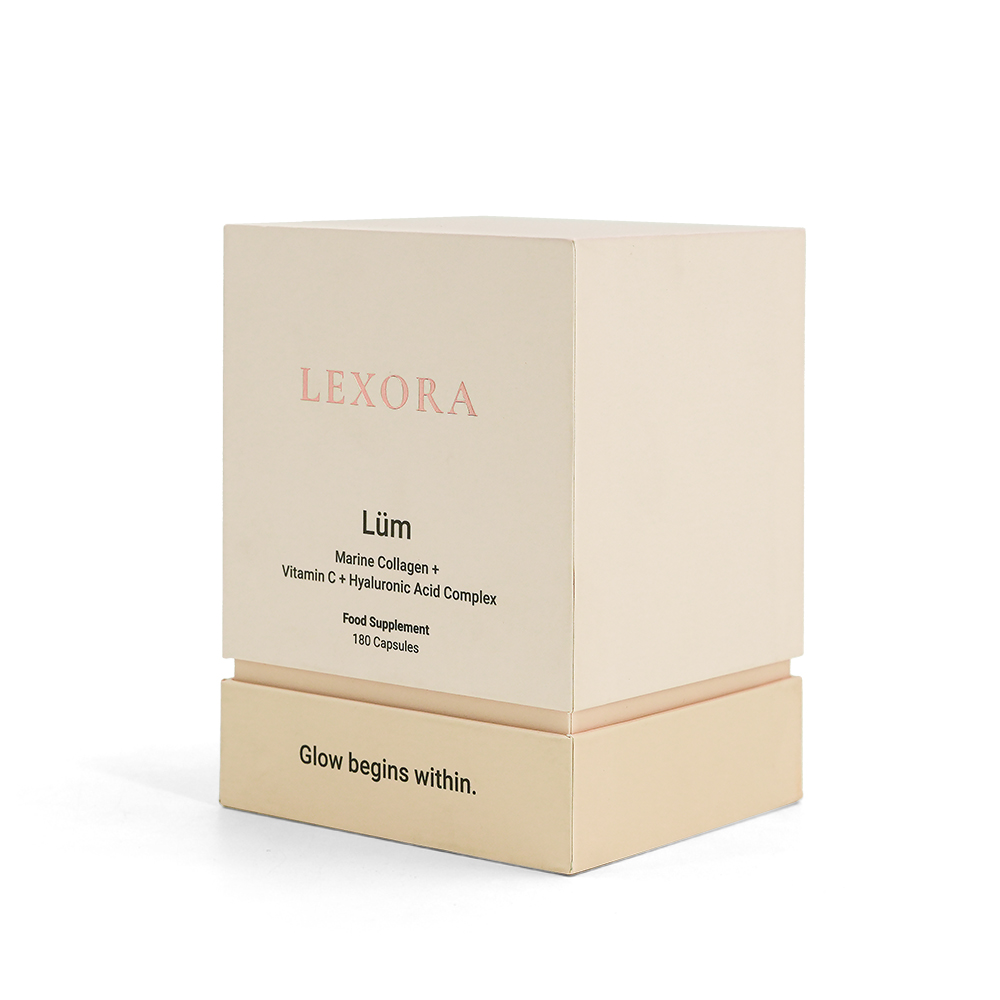
Two-piece rigid boxes include a separate lid and base. The lid can fully cover the base or partially overlap it. Precise sizing is important to ensure the lid opens smoothly while maintaining a premium feel.
This classic structure is widely used for luxury apparel, confectionery, jewelry, and consumer electronics because it offers both protection and an elegant presentation.
Magnetic closure boxes feature a hinged lid with hidden magnets inside the board structure. The magnetic closure creates a smooth opening experience and keeps the box securely closed.
The inside lid also provides extra space for branding messages. This style is popular for skincare products, PR kits, luxury gifts, and premium beverages.
Drawer boxes use a sliding tray and outer sleeve design, similar to a matchbox. A ribbon pull or thumb notch helps users open the inner tray smoothly.
This structure creates a unique unboxing experience and is commonly used for jewelry, candles, leather goods, and other premium products.
Neck and shoulder boxes include an additional inner layer that creates a raised neck between the base and lid. This design adds visual depth and improves the overall structure.
Brands can use different colors or materials on the shoulder area to create a distinctive luxury appearance.
Collapsible rigid boxes are designed to reduce shipping and storage costs. They can be shipped flat and assembled into a rigid structure when needed.
This design maintains the premium appearance of traditional rigid boxes while requiring less warehouse space. It is suitable for e-commerce brands and businesses with high shipping volumes.
Rigid boxes support various premium finishing techniques to improve visual appeal and brand recognition.
Hot Foil Stamping: Adds metallic effects to logos and patterns using heat and pressure.
Embossing and Debossing: Creates raised or recessed textures for a stronger tactile experience.
Spot UV: Adds glossy highlights to selected areas such as logos or designs.
Soft-Touch Lamination: Creates a smooth, velvet-like surface while improving scratch resistance.
Combining different finishing methods requires accurate alignment during production to ensure a high-quality appearance.
Box inserts protect products and improve the unboxing experience. The right insert material depends on product weight, fragility, and sustainability requirements.
EVA Foam: Provides strong protection for fragile products such as electronics and glass bottles.
Molded Pulp: A sustainable option for brands looking to reduce plastic usage.
Paperboard Inserts: Flexible and suitable for lightweight products, cosmetics, and gift items.
Thermoformed PET Inserts: Provide precise product positioning but may not suit brands focused on plastic reduction.
Different industries have different insert requirements. Jewelry may need anti-tarnish protection, while food and confectionery products require food-safe materials and coatings.
Insert Material | Protection Level | Sustainability | Ideal Application |
|---|---|---|---|
EVA Foam | Maximum | Low | Heavy electronics, glass bottles, tools |
Molded Pulp | High | Very High | Cosmetics, eco-friendly consumer goods |
Folded Paperboard | Medium | High | Apparel, lightweight skincare, stationery |
Thermoformed PET | High | Medium (if recyclable) | Confectionery, medical devices, small tech |
Custom rigid boxes require setup for die-cutting, foil stamping, embossing, and assembly. More complex designs may require additional tooling and production time.
MOQs often start around 500 to 1,000 units, depending on the manufacturer and box design. Larger orders can help spread setup costs across more units and improve production efficiency.
Physical samples help confirm the box size, structure, product fit, colors, and finishing before mass production. Brands can start with a white sample and then approve a fully printed sample.
Production lead times depend on the manufacturer, order quantity, and design complexity. International orders may also require additional time for shipping and customs clearance.
Traditional rigid boxes are usually shipped fully assembled, so they take up more space during transportation and storage. This can increase freight costs based on dimensional weight (DIM).
Brands should consider shipping volume and warehouse space before placing large orders. Collapsible rigid boxes can be an alternative when reducing shipping and storage space is important.
Greyboard is recyclable, but magnets, plastic laminations, foil, and foam inserts can make the complete box harder to recycle.
Brands can improve sustainability by using FSC-certified paper, water-based inks, paper inserts, and fewer mixed materials. Mono-material designs can also make rigid boxes easier to recycle.
Rigid packaging represents a strategic investment in brand equity and product protection. The tactile feedback, structural superiority, and visual impact directly influence consumer perception and support premium market positioning. When executed correctly, the packaging becomes an extension of the product itself. To move forward effectively, follow these actionable next steps:
Secure physical white samples to rigorously test structural integrity, drop resistance, and product fit before finalizing designs.
Request precise dielines from your manufacturing partner to ensure flawless artwork application and alignment for all foil and UV layers.
Conduct a comprehensive freight analysis, factoring in dimensional weight and palletization efficiency, to determine your true logistical requirements.
Evaluate collapsible structural designs if warehouse storage space and inbound shipping volume present operational bottlenecks.
A: Yes. They require thicker core materials, separate wrapping substrates, and highly labor-intensive manufacturing processes. Tooling and setup times are also longer. This combination of material density and manual assembly results in a more complex production cycle compared to automated, flat-folding cartons.
A: Traditional styles cannot ship flat; they are shipped fully assembled. However, collapsible magnetic styles are engineered with strategic hinges and adhesive strips. These hybrid structures ship flat to save on freight volume and are easily assembled into a rigid form at the fulfillment center.
A: Industry standard MOQs typically range from 500 to 1,000 units. Because the setup process involves custom tooling, die-cutting, and manual machine calibration, manufacturers require these minimums to make the production run efficient. Highly complex designs may demand even higher MOQs.
A: V-grooving is a precision cutting technique. Machinery removes a V-shaped channel from the greyboard core without cutting the outer layer. This allows the board to fold seamlessly, creating sharp, crisp 90-degree corners. It eliminates rounded edges and provides a highly architectural, premium aesthetic.
A: The raw greyboard core is highly recyclable and often made from post-consumer waste. However, eco-friendliness drops when mixed materials are added. Embedded magnets, plastic laminations, metallic foils, and foam inserts complicate recycling. Brands must specify mono-material designs and FSC-certified paper to ensure true recyclability.
A: Corrugated boxes use fluted paper sandwiched between liners for industrial shipping protection. They look utilitarian and ship flat. Rigid packaging uses dense, solid chipboard wrapped in premium paper. It offers high-end aesthetics, superior tactile finishes, and is primarily used for luxury retail presentation.
A: Thickness is dictated by product weight and dimensions. Lightweight items like cosmetics require 1.5mm (approx 60 pt) board. Heavy or fragile items like glass spirits bottles or electronics require 2.5mm to 3mm (approx 100-120 pt) board to prevent warping and ensure structural integrity during transit.


