

Views: 0 Author: Site Editor Publish Time: 2026-03-05 Origin: Site


Looking for the perfect gift packaging box for tea? Tea paper boxes combine functionality, style, and brand appeal, making them ideal for preserving freshness while delighting customers. In this ultimate guide, we explore different tea packaging box types, materials, and design strategies that elevate your product presentation. Whether you’re aiming for premium gift tea boxes or eco-friendly packaging solutions, we’ll cover everything from structural design to visual storytelling, helping you choose packaging that enhances both consumer experience and shelf impact.
Tea paper box packaging is essentially a protective container designed specifically for tea products. It keeps tea fresh, organizes storage, and presents the product in an appealing way. Unlike simple bags or loose-leaf tins, a paper box provides structure, durability, and plenty of space for branding and information.
They differ from other tea packaging types in several ways:
Loose-leaf tins: Heavy, reusable, great for preserving aroma but limited in design flexibility.
Stand-up pouches: Lightweight, resealable, excellent for bulk storage, but less premium-looking.
Tea bags: Convenient, portioned servings, but minimal shelf impact and branding space.
Tea paper boxes usually use materials like:
Cardboard – sturdy, easy to fold, printable.
Paperboard – smooth finish, good for high-quality visuals.
Kraft paper – eco-friendly, rustic aesthetic.
Laminated finishes – adds moisture and light protection, enhances luxury feel.
They serve multiple functions that go beyond holding tea:
Protection – prevents crushing, limits exposure to air and moisture.
Preservation – keeps aroma and flavor intact for longer periods.
Branding – provides a canvas for logos, colors, and storytelling.
Display – stands out on shelves and draws consumer attention.
| Material | Durability | Aesthetic | Eco-Friendliness |
|---|---|---|---|
| Cardboard | High | Moderate | Medium |
| Paperboard | Medium | High | Medium |
| Kraft Paper | Medium | Rustic | High |
| Laminated Finish | High | Premium | Low/Medium |
It’s a versatile packaging solution that balances function and visual appeal. Brands often use it to create a strong first impression while ensuring tea stays in perfect condition.
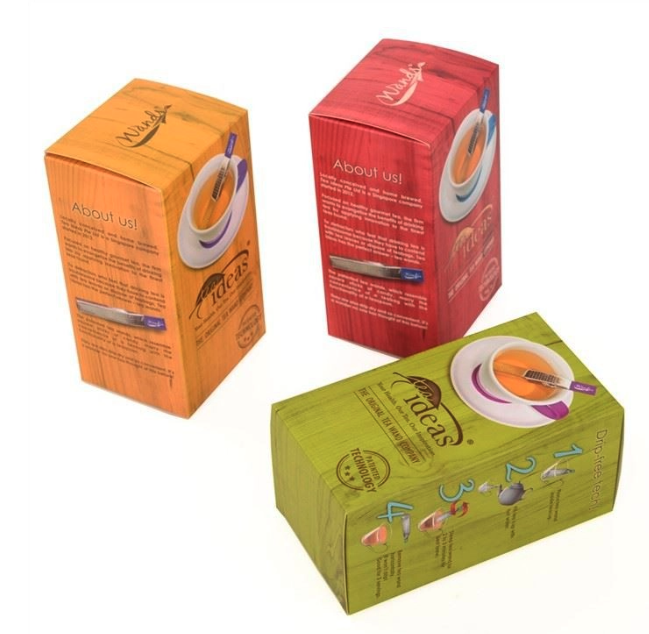
Tea loses flavor quickly if exposed to air, light, or humidity. Paper boxes help protect it through airtight seals, inner liners, and special coatings. Some brands even use barrier layers like:
Aluminum foil – excellent light and oxygen protection.
PET films – durable, moisture-resistant, lightweight.
Bio-laminates – eco-friendly, strong aroma retention.
These layers keep tea aromatic for longer, ensuring every cup tastes fresh.
Packaging is more than a container—it tells a story. A tea paper box communicates brand values and product quality. Brands can play with:
Color palette – green for matcha, deep brown for black teas.
Typography – elegant fonts for premium teas, handwritten style for artisanal blends.
Textures & finishes – embossing, soft-touch, foil stamping.
| Design Style | Visual Features | Target Audience |
|---|---|---|
| Premium Tea Boxes | Matte lamination, gold foil, emboss | Luxury tea drinkers |
| Artisanal Boxes | Kraft paper, minimal prints | Eco-conscious, specialty buyers |
A tea paper box can enhance how people enjoy tea. Features like easy-to-open flaps, resealable lids, and portioned compartments make brewing simple. It also adds to the ritual: lifting the box, reading labels, and feeling textures. These small touches influence perceived quality.
On crowded shelves, paper boxes help products stand out. Unique shapes, cut-out windows, and custom finishes catch the eye. Compared to stand-up pouches or simple tea bags, paper boxes offer:
Better shelf impact – upright, stable, premium look.
Visual storytelling – larger surface for branding and information.
Consumer trust – perception of freshness and quality.
| Packaging Type | Shelf Visibility | Brand Storytelling | Premium Perception |
|---|---|---|---|
| Tea Paper Box | High | Excellent | High |
| Stand-up Pouch | Medium | Limited | Medium |
| Tea Bag Packet | Low | Minimal | Low |
It’s clear how the right paper box design can influence both sales and customer loyalty.
Single-compartment boxes are simple and versatile. They work well for loose-leaf tea or standard tea bag sets.
Pros:
Compact and cost-effective
Easy to stack on shelves
Keeps a single tea type organized
Cons:
Limited space for variety
Less visual appeal for gifting
Not ideal for sampler collections
These boxes are often used for everyday teas or retail packs, providing protection and basic branding.
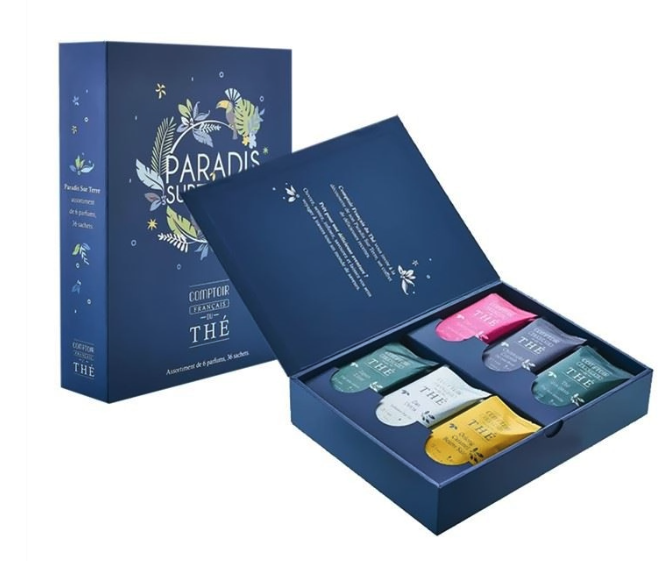
Multi-compartment boxes are designed for variety and presentation. They are perfect for sampler sets, assorted teas, or premium gift collections.
Compartments can hold:
Tea bags
Pyramid bags
Sachets
| Box Type | Tea Packaging | Ideal For |
|---|---|---|
| Layered Tray Box | Tea bags, pyramids | Gift sets, sampler packs |
| Accordion Box | Loose leaf portions | Premium assortments |
| Insert Divider Box | Mixed sachets | Specialty tea collections |
These boxes not only organize multiple teas but also enhance the unboxing experience and perceived value.
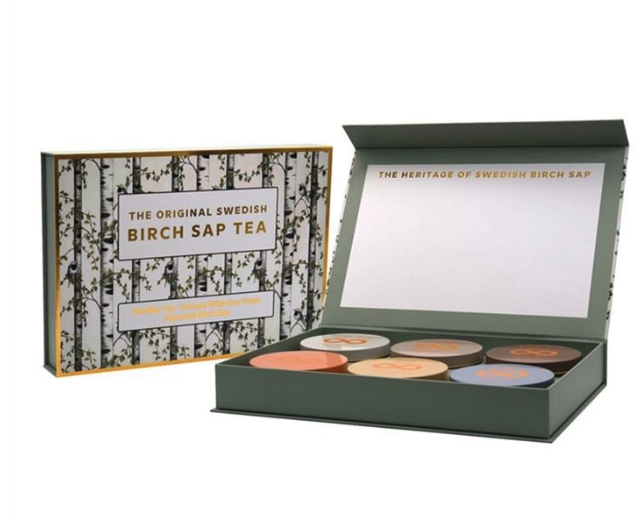
Specialty boxes focus on luxury, convenience, and eco-conscious design. They often feature:
Magnetic closures
Sliding drawers
Foldable or collapsible structures
Biodegradable or recyclable materials
These designs elevate tea packaging by creating memorable unboxing moments. Consumers enjoy the tactile feel, visual appeal, and thoughtful details, making the brand stand out on shelves and online marketplaces. They are commonly used for limited editions, holiday gift packs, and high-end artisanal teas.
Tea paper boxes are usually made from sturdy paperboard or cardboard. Common grades include:
Kraft paperboard: natural, rustic look, strong
SBS (Solid Bleached Sulfate): smooth, white surface, ideal for high-quality printing
Greyboard: heavier, eco-conscious option, often used for inserts
| Material | Durability | Weight | Print Quality |
|---|---|---|---|
| Kraft | High | Medium | Moderate |
| SBS | Medium | Light | Excellent |
| Greyboard | Very high | Heavy | Good |
These materials balance protection, structural integrity, and the ability to showcase attractive designs.
Laminations enhance both aesthetics and functionality. Options include:
Glossy finishes: vibrant, reflective, eye-catching
Matte finishes: elegant, subtle, tactile appeal
Barrier coatings:
Aluminum foil: prevents light and oxygen damage
PET films: flexible and moisture-resistant
Biodegradable liners: eco-friendly aroma protection
They help preserve tea freshness while making the packaging visually appealing and durable.
Sustainability is increasingly important for tea packaging. Many brands now use:
Recycled paper: reduces environmental footprint
Biodegradable coatings: compostable alternatives to plastic
Plant-based films (PLA): derived from cornstarch, fully renewable
Consumers are actively choosing brands that prioritize eco-conscious packaging. Eco-friendly materials can combine strength, protection, and premium design without harming the environment.
Tea paper boxes can tell a story before the first sip. Colors, illustrations, calligraphy, and traditional motifs communicate flavor, origin, or the brand’s heritage. For example:
Green and earthy tones: suggest natural or herbal teas
Gold accents and intricate patterns: evoke luxury or premium quality
Regional imagery: mountains, gardens, or tea leaves reflect provenance
Visual elements help consumers connect emotionally and choose products that align with their taste or lifestyle.
Fonts and logo placement strongly influence perceived quality. Key points include:
Font style: serif fonts convey elegance; sans-serif looks modern and clean
Logo positioning: top or center placement draws immediate attention
Consistency: maintaining brand typography across product lines builds recognition
Even small choices, like embossing or foil stamping, can make a box feel premium.
How a tea paper box is built affects usability and presentation. Consider:
Size and shape: match the tea quantity and storage needs
Compartments: single vs multi-layer for assortments or sampler sets
Windows: clear panels allow consumers to see the product inside, adding trust and appeal
| Feature | Purpose |
|---|---|
| Compartments | Organize different teas or portions |
| Window panels | Show tea leaves, build trust |
| Unique shapes | Stand out on shelf, create brand identity |
| Easy-open structures | Improve user convenience and ritual |
These design principles combine practicality with branding impact, enhancing the tea experience.
Tea paper boxes protect tea from moisture and crushing, provide space for branding, and create a premium shelf presence.
They use airtight seals, inner liners, and barrier coatings like foil or PET films to limit exposure to air, light, and humidity.
Yes, they can accommodate loose-leaf tea, tea bags, pyramid bags, or herbal sachets using single or multi-compartment designs.
Cardboard, paperboard, kraft paper, and laminated finishes are popular for durability, print quality, and visual appeal.
Yes, brands use recycled paper, biodegradable coatings, and plant-based films like PLA to reduce environmental impact.
Choosing the right tea paper box can transform your product from ordinary to extraordinary. From single-compartment boxes for everyday teas to multi-layered or specialty designs for premium gift sets, the packaging influences freshness, perception, and customer engagement.
At Guangzhou Yison Printing Co., Ltd., we help brands create bespoke tea packaging boxes that tell a story, highlight quality, and impress consumers at first glance. Ready to elevate your tea brand? The right paper box makes all the difference.


