

Views: 0 Author: Site Editor Publish Time: 2026-09-21 Origin: Site


Regulatory pressures and consumer demands are forcing brands to abandon single-use plastics and non-recyclable composites. You need packaging that aligns with strict Environmental, Social, and Governance (ESG) criteria without compromising structural integrity or brand aesthetics. Sourcing renewable, non-toxic materials at scale presents a significant operational challenge for procurement teams. Transitioning to eco-friendly solutions requires a substrate that performs reliably across complex supply chains. kraft paper serves as a commercially viable, highly scalable alternative. It provides a robust foundation for protective packaging while maintaining a natural, organic aesthetic. We will evaluate its material properties, compliance standards, and operational trade-offs. This guide delivers the technical insights necessary to implement sustainable packaging solutions effectively across your enterprise operations, ensuring you meet both regulatory mandates and consumer expectations.
Material Durability: Kraft paper achieves high tensile strength and tear resistance due to the sulfate pulping process, making it structurally competitive with traditional bleached boards.
Verified Sustainability: True eco-friendly claims require auditing the entire lifecycle, including sourcing (FSC-certified), processing (unbleached, non-toxic), and end-of-life (biodegradable/compostable).
Design Constraints & Opportunities: The porous, brown nature of the substrate requires specific printing techniques but naturally supports minimalist, earthy, and premium-retro brand identities that avoid looking outdated.
Table of Contents
Kraft paper gets its strength from the sulfate pulping process. During production, wood fibers are separated while keeping their natural length and strength. These long fibers bond tightly during pressing and drying, creating durable paper with strong tear resistance.
Compared with standard paper materials, kraft paper provides better structural strength, making it suitable for packaging that requires both protection and sustainability.

The choice between virgin and recycled pulp depends on the packaging requirements.
Virgin pulp uses new wood fibers and provides higher strength and durability. It is suitable for heavy-duty packaging, transportation, and applications that require strong tear resistance.
Recycled pulp uses recovered paper fibers and offers better environmental benefits. Because recycled fibers become shorter during processing, the material has lower strength but works well for lightweight retail packaging, inner cartons, and protective fillers.
Selecting the right pulp type helps balance packaging strength, cost, and sustainability goals.
Pulp Type | Fiber Length | Tensile Strength | Primary Application | Environmental Impact |
|---|---|---|---|---|
Virgin Pulp | Long (Intact) | Maximum | Heavy transit, direct food contact | Requires new timber harvesting |
Recycled Pulp | Short (Reprocessed) | Moderate | Lightweight retail, inner cartons | Reduces landfill waste, lower carbon footprint |
Blended Pulp | Mixed | High | Standard e-commerce mailers | Balances strength and sustainability |
The unbleached manufacturing process offers significant environmental advantages. Traditional white paperboards require extensive chlorine or hydrogen peroxide bleaching. This bleaching process generates toxic byproducts and consumes vast amounts of water and energy. Bypassing the bleaching stage eliminates these chemical treatments entirely. It prevents severe water pollution and reduces the energy load of the paper mill. This clean production cycle stands in stark contrast to the heavy emissions and toxic runoff associated with plastic manufacturing.
Evaluating packaging performance requires standardized testing metrics recognized by logistics carriers. The Edge Crush Test (ECT) measures the stacking strength of corrugated boards. It determines how much top-to-bottom pressure a box can withstand before the flutes collapse. The Mullen Burst Test evaluates handling durability. It measures the hydraulic pressure required to puncture the corrugated wall from the inside out. High-quality Kraft Paper Boxes consistently score well on both metrics due to their dense, interlocking fiber network.
The weight-to-strength ratio is a critical operational factor for warehouse management. This substrate provides substantial protection without adding excessive bulk to the pallet. It minimizes dimensional weight during shipping calculations, directly lowering freight costs. You can protect fragile contents effectively while keeping logistics overhead manageable. The material absorbs impact energy efficiently, dispersing shock across the corrugated flutes rather than transferring it to the product inside.
Despite its strengths, the material possesses inherent limitations that require engineering workarounds. The baseline porosity allows air and moisture to penetrate the surface rapidly. High-humidity environments pose a specific threat to structural integrity. Prolonged exposure to moisture weakens the hydrogen bonds between cellulose fibers. The board can become soft, losing up to 50% of its crush resistance in tropical climates. You must account for these environmental factors when designing supply chain logistics and selecting flute profiles.
Specify A-flute or C-flute for maximum top-to-bottom compression strength in high-stacking warehouse environments.
Select B-flute for excellent puncture resistance and a smoother printing surface for retail-ready packaging.
Utilize E-flute or F-flute for primary product cartons that require precise die-cutting and high-resolution graphics.
Implement double-wall combinations (like BC-flute) for heavy industrial components exceeding 40 pounds.
Understanding sustainability terms helps brands make accurate environmental claims. Biodegradable means a material can naturally break down over time, but it does not define a specific timeline or conditions.
Compostable packaging follows stricter standards, such as ASTM D6868 or EN 13432. Brands should request supporting documents from suppliers to confirm that materials meet these requirements and avoid misleading sustainability claims.
Finishing materials can affect the recyclability of kraft packaging. Plastic laminates, synthetic adhesives, and some inks may make recycling or composting more difficult.
To maintain sustainability benefits, brands can choose water-based, soy-based, or other eco-friendly inks, along with starch-based adhesives. Water-based coatings can also provide moisture protection while keeping the packaging easier to recycle.
Coating/Finish Type | Moisture Resistance | Grease Resistance | End-of-Life Profile |
|---|---|---|---|
Polyethylene (PE) Film | Excellent | Excellent | Non-compostable, difficult to recycle |
Aqueous Coating | Moderate | Low | Fully recyclable and compostable |
Polylactic Acid (PLA) | High | High | Commercially compostable (ASTM D6868) |
Bio-Wax Blend | High | Moderate | Compostable, repulpable in specific facilities |
Enterprise procurement requires strict adherence to global certification standards to mitigate supply chain risk. The Forest Stewardship Council (FSC) certification is non-negotiable for modern brands. It guarantees that the wood pulp originates from responsibly managed forests that provide environmental, social, and economic benefits. The Sustainable Forestry Initiative (SFI) offers a similar, widely recognized standard for North American sourcing. ISO 14001 certification ensures the manufacturing facility operates under a recognized environmental management system, actively reducing its own waste and emissions.
Chain-of-custody documentation is vital for compliance audits. It tracks the material from the forest, through the pulp mill, to the final converter. This transparent paper trail protects your brand reputation. It proves to stakeholders, investors, and consumers that your sustainability claims are backed by verifiable data, not just marketing rhetoric.
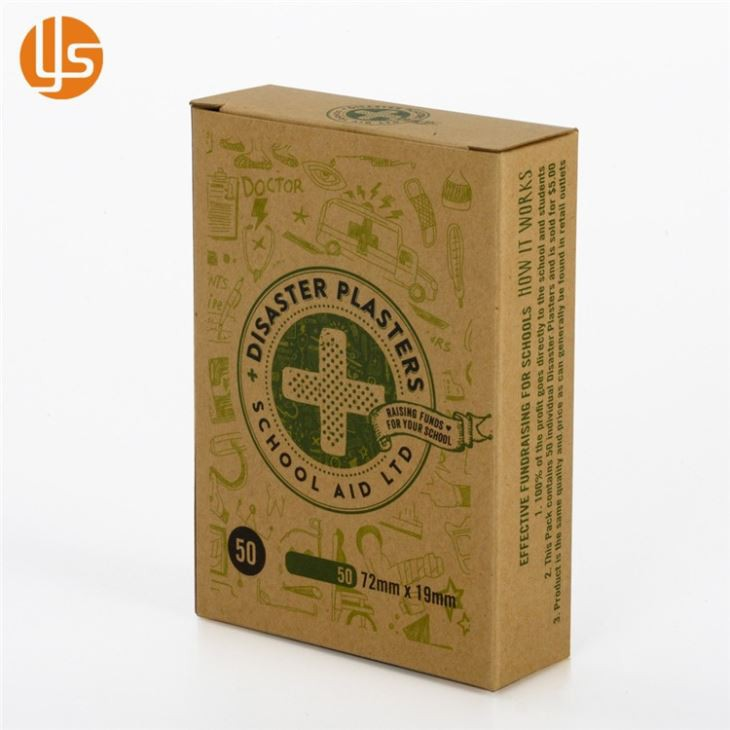
Kraft paper has a natural, porous surface that absorbs ink faster than coated paper. This can make colors less vibrant and reduce the sharpness of fine details. Designs should be adjusted to match the material characteristics.
Different printing methods suit different needs:
Flexographic Printing: Suitable for simple designs, logos, and high-volume production.
Litho-Lamination: Better for detailed graphics and high-quality images.
Digital Printing: Ideal for short runs and variable designs without printing plates.
For better color accuracy, brands can use white ink as a base layer before printing bright colors. Simple graphics, bold typography, and solid Pantone colors usually perform better on kraft paper.
Design recommendations:
Use clear fonts and avoid very small details.
Avoid complex photo printing directly on kraft surfaces.
Use Pantone colors for better consistency.
Add white ink underlays for brighter colors.
Test printed samples before mass production.
Kraft packaging uses its natural texture to create an organic and premium appearance. Simple designs, clean layouts, and earthy colors work well with the brown paper surface.
Recommended design approaches:
Use more empty space to highlight the natural texture.
Choose bold illustrations instead of complex gradients.
Use black ink for strong contrast and clear readability.
Combine simple typography with natural colors for a handcrafted look.
Kraft paper supports various packaging structures for different industries and applications.
Corrugated Mailer Boxes: Suitable for e-commerce shipping. They provide good protection and are easy to recycle.
Folding Cartons: Lightweight and cost-effective for cosmetics, supplements, and retail products.
Rigid Kraft Boxes: Combine a premium appearance with strong protection for luxury goods, electronics, and gifts.
Gable Boxes and Clamshell Boxes: Popular for food service, takeaway products, and products requiring convenient handling.
Global brands leverage this natural substrate to signal transparency and organic quality. Nike uses unbleached shoe boxes to emphasize their zero-waste initiatives and reduce their carbon footprint. McDonald's transitioned to brown paper bags and clamshells to highlight environmental responsibility across thousands of locations. Adidas and Samsung utilize minimalist brown packaging for specific product lines to project a premium, eco-conscious image. These brands prove that sustainable materials can elevate perceived value when designed correctly.
Design frameworks must adapt to the material's natural characteristics. Utilize negative space generously to let the raw texture breathe. Rely on simple, bold illustrations rather than complex gradients or drop shadows. Monochromatic or earthy color palettes complement the brown background perfectly. Black ink provides the highest contrast and sharpest look, making it ideal for typography and barcodes. Incorporating retro typography creates a warm, timeless, and handcrafted aesthetic. This approach ensures the packaging feels premium and intentional rather than outdated or cheap.
The versatility of the material allows for diverse structural applications across industries. Selecting the right style impacts both transit protection and the consumer unboxing experience.
Corrugated Mailers: The industry standard for e-commerce operations. They offer maximum crush resistance through fluted inner layers. The Roll End Tuck Front (RETF) design provides a secure, satisfying unboxing experience without requiring packing tape.
Folding Cartons: Lightweight and highly cost-effective. These are ideal for cosmetics, dietary supplements, and retail shelf displays. They ship flat and assemble quickly on the production line using Straight Tuck End (STE) or Reverse Tuck End (RTE) closures.
Rigid Kraft Boxes: Constructed from thick, dense chipboard wrapped in unbleached paper. These two-piece structures are used for high-end electronics, jewelry, and luxury goods. They merge sustainability with a heavy, premium feel.
Gable Boxes & Clamshells: Purpose-built structures featuring built-in handles or secure interlocking closures. These are highly practical for the food service industry, offering convenience for takeout and catering operations.
Food packaging must meet safety standards and use non-toxic materials suitable for direct contact. Food-grade kraft paper should avoid harmful chemicals and use proper production processes.
Because kraft paper can absorb oil and moisture, food packaging often requires barrier coatings. PLA coatings, water-based coatings, and bio-based waxes can improve grease and moisture resistance while maintaining recyclability.
E-commerce packaging needs to withstand handling, transportation, and stacking pressure. Kraft corrugated mailers provide good protection while keeping packaging lightweight.
Internal protection is also important. Paper-based inserts or molded pulp can secure products during shipping and reduce the need for plastic fillers. This creates a more sustainable packaging solution while protecting products from damage.
Evaluating unit economics requires comparing base materials alongside necessary finishing processes. Unbleached paper generally offers a lower baseline cost than Solid Bleached Sulfate (SBS) boards. The elimination of the bleaching process reduces chemical and energy expenses during manufacturing, passing savings down the supply chain. When compared to rigid plastics, the cost advantage is even more pronounced, especially as plastic taxes and extended producer responsibility (EPR) fees increase globally.
Material Type | Base Cost Level | Structural Strength | Eco-Friendly Profile |
|---|---|---|---|
Unbleached Kraft | Low to Medium | High (Corrugated) | Excellent (Recyclable/Compostable) |
Solid Bleached Sulfate (SBS) | Medium to High | Medium | Moderate (Requires chemical bleaching) |
Rigid Plastics (PET/PVC) | High | Very High | Poor (Often non-biodegradable) |
While raw material costs are favorable, custom tooling and eco-friendly inks can offset initial savings. Custom die-cutting plates and specialized water-based inks require upfront investment. However, these tooling costs amortize quickly over large production runs. The long-term financial benefits include reduced shipping weights, lower damage rates, and the complete avoidance of plastic-related regulatory fines.
Scaling production requires careful management of Minimum Order Quantities (MOQs) and warehouse space. Standard industry MOQs for custom-printed boxes typically range from 500 to 1,000 units for digital printing, and 3,000 to 5,000 units for flexography. Volume scaling significantly impacts the per-unit price. Ordering 10,000 units will drastically reduce the setup costs distributed across each box. Procurement teams must balance warehouse storage capacity against the financial benefits of bulk ordering.
Supply chain risks must be actively managed to prevent stockouts. Global pulp shortages can cause sudden price spikes and material scarcity. Regional manufacturing lead times vary based on factory capacity and shipping logistics. Domestic sourcing reduces transit times but may carry higher unit costs. Overseas manufacturing offers lower unit costs but introduces longer lead times, container shipping fees, and potential customs delays. Diversifying your supplier base across multiple regions mitigates these risks.
Execute the following actionable steps to initiate your packaging transition and secure a compliant, sustainable supply chain:
Audit your current packaging lifecycle to identify and document all non-recyclable plastics, foam inserts, and synthetic barrier coatings currently in use.
Request physical material samples and ink drawdowns from FSC-certified vendors to evaluate baseline porosity, color fidelity, and structural rigidity.
Conduct standardized ISTA drop and transit testing using corrugated prototypes to ensure they meet your specific logistics network demands.
Review your brand artwork with prepress engineers to adapt designs for optimal printing on uncoated, porous surfaces, ensuring proper line weights and spot white usage.
A: Yes, in its raw, unbleached state, it is entirely biodegradable and commercially compostable. However, applying petroleum-based inks, synthetic adhesives, or plastic laminates ruins this eco-friendly profile. You must use water-based inks and PLA linings to maintain strict compostability standards.
A: Yes, but it requires specific prepress techniques. Because the substrate is dark and porous, standard translucent inks absorb and disappear. Printers must apply an opaque white UV or water-based ink as a heavy underlay. This spot white layer blocks the brown background, allowing subsequent colors to appear vibrant.
A: They are safe if manufactured specifically for food contact under FDA regulations. These regulations generally require virgin pulp to avoid contaminants found in recycled streams. The material must be free of toxic chemicals. For greasy or moist foods, the boxes require eco-friendly, food-safe barrier linings like PLA or bio-wax.
A: The primary difference lies in the sulfate pulping process. This process dissolves lignin while preserving long, strong cellulose fibers, resulting in superior tear resistance. Additionally, it remains unbleached, retaining its natural brown color and avoiding the toxic chemical treatments used to create white standard cardboard.
A: The material is naturally hygroscopic, meaning it absorbs moisture from the air. In high-humidity environments, the hydrogen bonds between fibers weaken, causing the box to soften and lose its crush resistance. Applying eco-friendly aqueous coatings provides a necessary moisture barrier for humid supply chains.
A: The uncoated surface absorbs wet ink rapidly, which mutes the final appearance. Furthermore, the absence of a white base layer means the brown background mixes visually with the printed ink. This alters color fidelity, making colors appear darker and less vibrant than they would on glossy white board.


