

Views: 0 Author: Site Editor Publish Time: 2026-09-21 Origin: Site


The perceived value of luxury packaging is dictated not by the exterior wrap, but by the unseen structural core. Brands often over-specify packaging materials, leading to inflated shipping costs, or under-specify them, resulting in warped boxes, failed magnetic closures, and compromised product protection. Establishing a precise specification framework for grey board ensures rigid packaging meets both aesthetic brand standards and operational durability requirements. When you handle a premium product, the weight, the resistance of the lid, and the solid sound of a closure communicate quality before you even see the item. This tactile experience relies entirely on the foundation beneath the surface. Finding the exact balance maintains margins while delivering an unboxing experience that matches your brand's reputation. A weak foundation ruins even the most expensive exterior finishes. We will break down the technical specifications required to engineer solid packaging structures.
Thickness Dictates Functionality: Selecting the correct grey board thickness (typically 1mm to 3mm) is the primary variable for determining box rigidity, weight, and hardware compatibility.
Hardware Integration Requires Density: Concealed magnetic closures and metal hinges require high-density board to prevent tear-outs and maintain a seamless exterior.
Weight vs. Freight Trade-offs: Thicker boards exponentially increase the dimensional and actual weight of the final shipment, directly impacting unit economics.
Environmental Vulnerability: Without proper moisture control and wrapping techniques, grey board is highly susceptible to warping and delamination during transit.
The Keepsake Factor: Properly specified grey board transforms disposable packaging into a durable, reusable asset that extends brand visibility post-purchase.
Table of Contents
Grey board, also known as chipboard or rigid board, is a dense material mainly made from recycled paper fibers. It is compressed into thick sheets to provide strength and stability for rigid packaging.
Unlike folding carton paperboard, grey board is not designed for direct folding. It works as the structural core of luxury boxes, creating strong panels, sharp edges, and a premium appearance.
Grey board is produced by combining layers of recycled paper pulp and compressing them into solid sheets. The compression process determines the final density and strength of the board.
Higher compression creates a stronger and more stable board, while low-density materials may absorb more adhesive and become more likely to warp. After drying and stabilization, the sheets are prepared for cutting, V-grooving, and box production.
Grey board is widely used for premium packaging because it provides excellent rigidity and a smooth surface for wrapping materials such as art paper, fabric, and synthetic leather.
Compared with corrugated packaging and folding cartons, rigid board creates flatter surfaces, sharper corners, and a stronger premium feel, making it suitable for luxury products that require both protection and presentation.
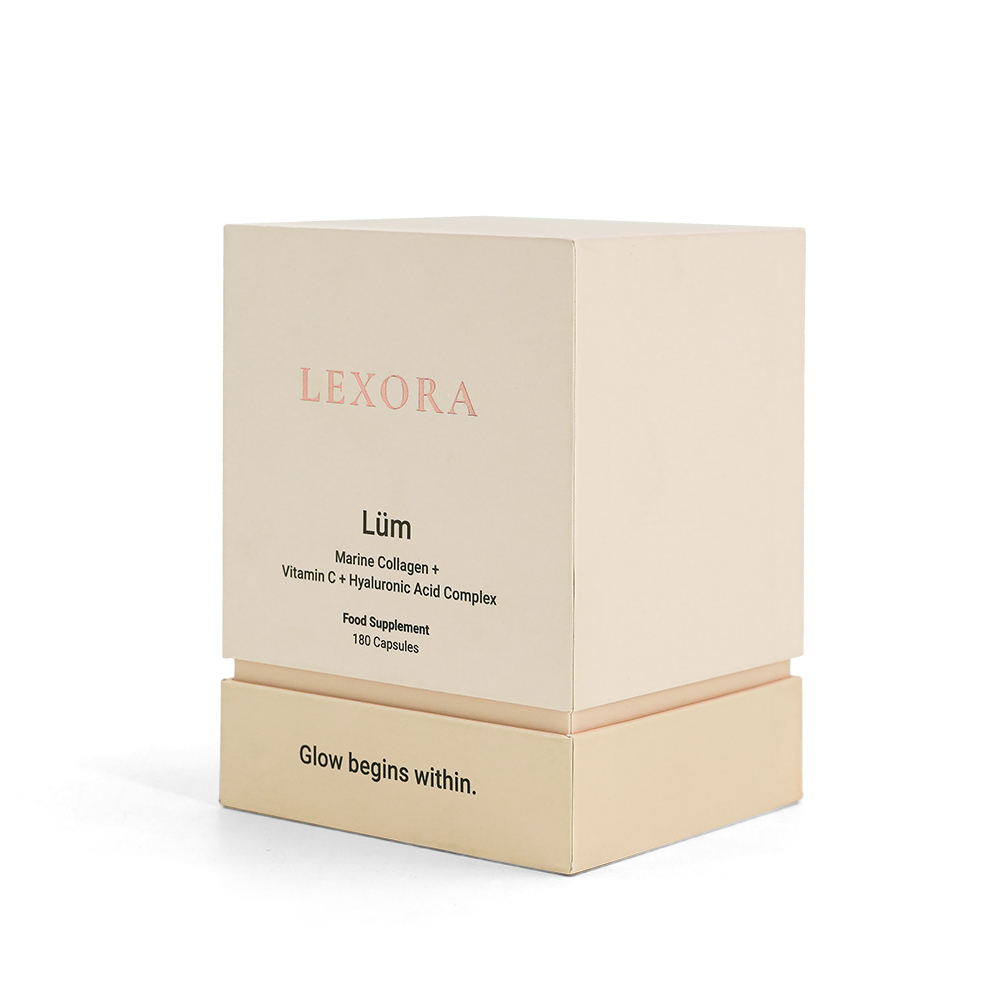
Selecting the correct thickness is the most impactful decision in the structural design phase. Over-engineering adds unnecessary weight and inflates freight costs, while under-engineering risks structural failure and product damage.
Thickness (mm) | Approximate Density (GSM) | Primary Application | Hardware Compatibility |
|---|---|---|---|
1.0mm - 1.5mm | 600 - 900 GSM | Jewelry, small cosmetics, gift cards | Poor (Too thin for routing magnets) |
2.0mm | 1200 GSM | Standard retail, skincare, apparel | Excellent (Standard 1mm-1.5mm magnets) |
2.5mm | 1500 GSM | Liquor, heavy electronics, footwear | Excellent (Large magnets, metal hinges) |
3.0mm+ | 1800+ GSM | Multi-product PR kits, luxury spirits | Excellent (Deep routing, heavy hardware) |
The 1.0mm to 1.5mm range is ideal for small footprint boxes. It provides enough rigidity for small surface areas but will bow if used on larger box panels spanning more than a few inches. The 2.0mm board is the workhorse of the industry. It balances material cost, shipping weight, and structural feel perfectly for most consumer goods. Ultra-thick grades of 2.5mm and above are mandatory for heavy items. They offer maximum crush resistance and a heavy, luxurious feel, but require specialized machinery to cut and groove.

Different rigid box designs require different board thickness levels. Two-piece boxes depend on the lid and base fit, so insufficient thickness may cause the walls to deform and affect the opening experience.
Drawer boxes need stronger outer sleeves to prevent bending during use. Hinged boxes also require enough strength around the spine area to support repeated opening and closing.
Board thickness alone does not determine strength. Density also affects rigidity, durability, and resistance to deformation.
A high-density thinner board can provide better performance than a thicker low-density board. When selecting grey board, manufacturers should consider both thickness and GSM to maintain consistent quality.
Magnetic closures require careful structural design. The manufacturer needs to create a cavity inside the grey board to install the magnet while maintaining panel strength.
Very thin boards may become weak after machining the magnet slot. Thicker, denser grey board provides better support for embedded magnets and helps maintain the premium structure of the box.
The psychology of weight plays a massive role in consumer perception. When a customer lifts a heavy, rigid box, their brain immediately associates the weight with high product value. This tactile substantiality cannot be faked with lightweight folding cartons. The dense core provides a solid, unyielding resistance that communicates craftsmanship and care.
This structural durability directly encourages consumers to retain and reuse Rigid Gift Boxes with grey board. Instead of discarding the packaging, customers repurpose these sturdy containers for home storage or organization. This behavior effectively turns the packaging into a long-term brand marketing asset. Every time the consumer opens the repurposed box, they interact with your brand logo, extending the lifecycle of the packaging far beyond the initial purchase.
The core board is never seen by the end consumer; it is entirely encased in wrapping materials. However, the surface quality of the board dictates how well these wraps perform. The board possesses a specific surface porosity that interacts with liquid adhesives. Rigid box manufacturing relies heavily on protein glue (animal glue), which is applied hot and tacks up quickly as it cools. This rapid tack holds the paper wrap in place around the board edges without needing prolonged clamping.
If the board is too porous, it sucks the moisture out of the glue before it can tack, leading to loose wraps, dry spots, and bubbling in the outer wrap. If it is too smooth or coated, the glue fails to grip, causing delamination. Smooth board edges are absolutely necessary to prevent telegraphing. Telegraphing occurs when imperfections, bumps, or rough cuts on the core board show through the thin outer wrap. High-quality board is calendared to a smooth finish, ensuring that art paper, textured fabric, faux leather, and soft-touch laminates lay perfectly flat.
Achieving sharp, 90-degree luxury corners requires specialized manufacturing techniques. Standard scoring techniques involve using a creasing matrix to crush a fold line into the board. This method works for thin folding cartons but creates rounded, bulky corners on thick rigid materials. The tension of the fold often causes the outer paper to crack or tear.
To achieve crisp edges, manufacturers use V-grooving. A specialized machine cuts a V-shaped trench (typically at a 90-degree or 120-degree angle) partially through the thick board, removing a wedge of material rather than crushing it. This leaves just a fraction of a millimeter of board at the bottom, acting as a living hinge. This allows the board to fold exactly at 90 degrees without stretching the outer wrap. V-grooving requires a highly dense, stable board. If the material is soft or low-quality, the V-groove blade will catch and tear the fibers rather than cutting them cleanly, resulting in weak corners that collapse under pressure.
Scaling from a standard 1.5mm board to a heavy-duty 3mm board carries direct cost implications. You are essentially doubling the raw material volume, which proportionately increases the base cost of the packaging. However, the raw material cost is only one factor. Thicker boards alter the entire manufacturing workflow.
Specifying ultra-thick boards impacts manufacturing setup requirements significantly. Standard die-cutting machines struggle to punch cleanly through 3mm of dense fiber. The tonnage required to cut thick board puts immense wear on cutting dies. Specialized heavy-duty die-cutters and slower V-grooving machinery are required to process these materials accurately. Slower machine speeds reduce daily output, which increases the labor cost per unit. Factories often impose higher Minimum Order Quantities (MOQs) and longer lead times for projects requiring maximum thickness boards to justify the extended setup times and tooling wear.
The most significant financial impact of rigid packaging occurs during logistics. Calculating the total landed cost requires understanding both actual weight and dimensional weight. Thicker boards exponentially increase the actual weight of the final shipment. When shipping ocean freight, this added weight can push containers over their legal road weight limits before they are physically full.
Shipping fully assembled rigid boxes means you are paying to ship empty air. A standard rigid box cannot be flattened. To mitigate these freight costs, brands often explore collapsible rigid box designs. These structures use the same thick core materials but are engineered with strategic V-grooves and adhesive strips, allowing them to ship flat and be assembled at the fulfillment center. This drastically reduces dimensional weight charges while maintaining the premium unboxing experience.
Despite its heavy-duty nature, this structural core is inherently sustainable. Because it is manufactured from post-consumer recycled paper, it diverts massive amounts of waste from landfills. Brands looking to improve their environmental footprint can leverage this material to meet corporate sustainability goals without sacrificing packaging quality.
To ensure environmental compliance, you must verify FSC (Forest Stewardship Council) certification with your suppliers. An FSC Recycled label guarantees that the fibers were sourced responsibly and tracked through the supply chain. While the core board is highly sustainable, you must also consider the outer wraps and magnetic inserts, as laminations, foil stamping, and mixed materials complicate the final recyclability of the assembled box.
Warping is one of the most common problems in rigid box production. Grey board absorbs and releases moisture, so changes in humidity during shipping or storage can cause the panels to bend or deform.
Proper grain direction is important for maintaining stability. The grain direction of the grey board and outer wrap should match to reduce tension during drying. Controlling moisture levels and using desiccant packs during transportation can also help prevent deformation.
Delamination happens when the grey board layers separate or when the outer wrap loses adhesion. Low-quality board or unsuitable glue can cause peeling, especially around sharp corners and V-grooved areas.
Factories should test board strength during sampling and select adhesives that match the board and wrapping materials. This helps maintain both the appearance and durability of the rigid box.
A rigid box structure needs a suitable insert to protect the product during transportation. Heavy or fragile products may shift inside the box and damage the packaging if they are not properly supported.
Materials such as EVA foam, molded pulp, and paperboard inserts can secure products and distribute weight evenly. A well-designed insert improves protection and reduces movement inside the box.
Testing prototypes before production helps avoid quality issues. Recommended steps include:
Create white samples using the final board thickness and material specifications.
Perform drop tests to check corner strength and insert protection.
Test vibration and transportation conditions for closures and structures.
Check lid fitting and opening experience.
Start color samples and mass production only after structural tests are approved.
Even with precise specifications, manufacturing defects occur on the factory floor. Understanding the root causes of these defects allows you to hold suppliers accountable and correct issues before mass production finishes.
Bowing Panels: Usually caused by mismatched grain direction between the core board and the outer wrap, or excessive moisture in the protein glue. The rapid drying of the glue pulls the board inward.
Telegraphing: Caused by debris on the board surface, poor calendering during board manufacturing, or using an outer wrap paper that is too thin (under 120 GSM) to hide the board's natural texture.
Corner Blowouts: Occurs when the V-groove blade cuts too deep, leaving insufficient material at the hinge, or when the outer wrap paper is too brittle and cracks under the 90-degree tension.
Magnet Tear-Outs: Caused by routing the magnet cavity too deep into a thin board, or using a board with low internal ply-bond strength that separates when the magnets attract.
Request unprinted white dummy prototypes from your manufacturer using your exact specified board thickness to test hardware integration, friction fits, and overall rigidity.
Audit your current packaging weights and dimensions to determine if you are over-specifying board thickness and paying for unnecessary dimensional freight on ocean shipments.
Conduct physical drop tests and transit vibration simulations on fully loaded prototypes before approving any mass production runs.
Specify exact moisture content tolerances (8-12%) and mandate the inclusion of desiccant packs in all master shipping cartons to prevent warping.
Verify the FSC certification of the core materials with your supplier to ensure compliance with corporate sustainability targets.
A: The industry baseline for standard retail applications is 2.0mm, corresponding to a density of roughly 1200 GSM. This thickness provides an optimal balance of structural rigidity, tactile weight, and manageable shipping dimensions for most consumer goods, cosmetics, and electronics.
A: Yes, there is significant terminology overlap on the factory floor. However, the material used for premium rigid boxes is a highly compressed, specific grade of chipboard. It is significantly denser and more rigid than the lightweight chipboard used for items like cereal boxes or standard folding cartons.
A: A minimum thickness of 2.0mm is required to safely route and conceal neodymium magnets. The manufacturer must mill a cavity into the board to embed the magnet. If the board is too thin, milling the cavity compromises structural integrity, causing the material to tear or bulge outward.
A: Yes. Thicker boards, especially those exceeding 2.5mm, are harder to cut and process. They require slower machine speeds, higher die-cutting tonnage, and specialized heavy-duty V-grooving equipment. This extends setup times, increases labor costs, and results in longer overall production lead times.
A: The core board itself is highly recyclable and typically made from post-consumer waste. However, the final recyclability of the assembled box is dictated by the outer wraps, plastic laminations, foil stamping, and embedded magnetic inserts, which often need to be separated before recycling.
A: Warping is primarily caused by fluctuations in humidity, mismatched grain direction between the board and the wrap, or uneven adhesive application. It is prevented by specifying strict moisture content tolerances, aligning grain directions, using desiccants during shipping, and ensuring proper adhesive curing times.
A: V-grooving is a manufacturing process where a specialized blade cuts a V-shaped trench partially through thick board. This removes material and allows the board to fold exactly at a crisp, sharp 90-degree angle, creating luxury corners without crushing the board or stretching the outer paper wrap.


