

Views: 0 Author: Site Editor Publish Time: 2026-03-05 Origin: Site


A mailing box is more than just packaging—it’s a way to showcase your brand while keeping products safe during transit. Choosing between mailing boxes and shipping boxes can feel tricky, especially if you want both protection and a memorable unboxing experience. In this guide, we break down the differences, features, and best uses of each box type. Whether you ship delicate items, bulky goods, or curated subscription sets, understanding which box fits your product ensures cost-efficient shipping, better customer impressions, and stronger brand recognition.
Mailing boxes are specially designed containers used for shipping and presenting products. They focus on brand presentation while keeping items safe during transit. Businesses often choose them to create a memorable unboxing experience for customers.
Self-locking or interlocking design – They snap together easily, no tape needed.
Sleek, compact, and lightweight – Easy to handle and reduces shipping costs.
Highly customizable – Logos, colors, and designs can match your brand.
Materials and sizes – Usually made of corrugated cardboard. Recycled options are available. Sizes range from small boxes for jewelry to larger ones for apparel or books.
| Feature | Benefit |
|---|---|
| Self-locking flaps | Fast assembly, no extra tape |
| Compact & lightweight | Lower shipping cost, easy storage |
| Customizable design | Strengthens brand identity |
| Corrugated cardboard | Durable, recyclable, eco-friendly |
E-commerce deliveries – Ideal for small items like cosmetics, accessories, or tech gadgets.
Subscription boxes & sample kits – They fit curated sets perfectly.
Gift packaging & promotional kits – Makes a lasting impression for corporate gifts or giveaways.
Retail display boxes – Perfect for showcasing products elegantly in stores.
They turn ordinary shipments into a brand experience, helping customers feel special the moment they open the box.
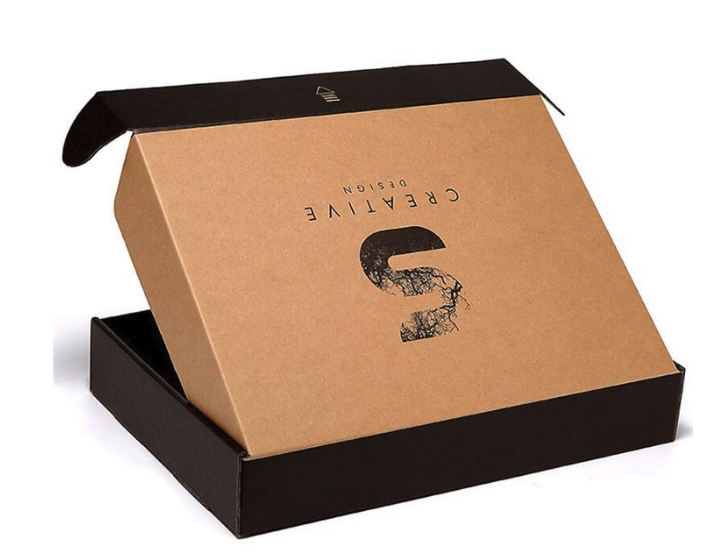
Shipping boxes are sturdy containers designed to protect products during transit. Unlike mailing boxes, they prioritize durability over aesthetics. They can handle heavier, bulkier, or fragile items that need extra protection.
Extra durability for transit – Multiple layers of corrugated cardboard absorb shocks and prevent crushing.
Require tape or adhesives – They often need sealing to keep contents secure.
Hold heavier and bulkier items – Perfect for large or industrial products.
Compatible with fillers – Bubble wrap, foam inserts, or packing peanuts provide added cushioning.
| Feature | Advantage |
|---|---|
| Strong construction | Safeguards fragile or heavy items |
| Tape/adhesive closure | Keeps box sealed during long shipments |
| Large capacity | Can hold bulk or oversized items |
| Supports protective fillers | Reduces risk of damage in transit |
International and bulk shipping – Ideal for long-distance or high-volume deliveries.
Fragile items – Glassware, ceramics, or delicate electronics travel safely inside.
Industrial goods – Machinery parts, tools, or large equipment can fit securely.
Oversized products – Chandeliers, sculptures, and furniture ship efficiently.
Single-wall corrugated cardboard – Good for lightweight or moderately fragile items.
Double-wall corrugated cardboard – Stronger, suitable for heavy, large, or delicate shipments.
Customization – They can be printed or labeled, but focus remains on protection rather than appearance.
Shipping boxes are reliable and practical, designed to endure rough handling and long journeys.
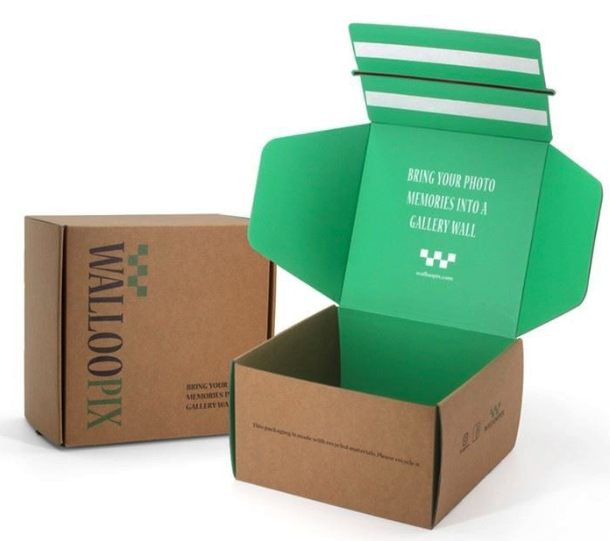
Understanding the differences between mailing boxes and shipping boxes can help you choose the right packaging for your products. Let’s break it down by key factors.
Mailing Boxes – Sleek, compact, and self-locking. They assemble quickly and don’t need tape.
Shipping Boxes – Heavy-duty, layered design. They often need tape or adhesives to stay secure.
Visual Comparison:
| Feature | Mailing Boxes | Shipping Boxes |
|---|---|---|
| Assembly | Quick, interlocking flaps | Requires tape/adhesives |
| Size | Compact, fits smaller items | Spacious, fits bulky items |
| Durability | Moderate, protects light items | High, protects heavy and fragile items |
Mailing Boxes – Lower shipping cost due to lighter weight. Material cost can vary depending on customization.
Shipping Boxes – Cost-effective for bulky items because material-to-volume ratio is lower.
Tip: Choosing the right box size prevents wasted space and reduces shipping fees.
Mailing Boxes – Ideal for lightweight, less fragile items like apparel or cosmetics.
Shipping Boxes – Perfect for fragile or bulky items such as glassware, electronics, or industrial goods.
Filler Options: Bubble wrap, foam inserts, or packing peanuts enhance protection in shipping boxes.
Mailing Boxes – Excellent for premium unboxing experiences. Custom prints, logos, and colors boost brand identity.
Shipping Boxes – Focused on reliability. Branding is possible, but the priority is securing the product during transit.
Impact: First impressions often come from packaging, so choose based on your marketing goals.
Mailing Boxes – Lightweight, can use recycled materials, and reduce carbon footprint in shipping.
Shipping Boxes – Heavier, but often made from recyclable corrugated cardboard. Double-wall boxes use more material but ensure durability.
Eco Tips: Consider sustainable materials and proper recycling to minimize environmental impact.
This comparison helps us match packaging type to product needs, budget, and brand goals, ensuring the right balance of protection, cost, and customer delight.
Mailing boxes shine when you need a mix of style, protection, and convenience. They’re not just containers—they’re a way to tell your brand story while getting products to customers safely.
Lightweight and Compact Items – Think jewelry, cosmetics, stationery, small apparel, or books. They fit snugly and ship easily.
Products That Benefit from Presentation – Items where first impressions matter, like subscription kits, gift sets, or curated samples.
Custom-Fit Opportunities – Mailing boxes can be tailored to your product’s size and shape for extra polish.
Cost-Efficient Shipping – Their light weight lowers shipping fees compared to heavier boxes.
Enhanced Unboxing Experience – Sleek design and interlocking flaps make opening fun and memorable.
Customizable for Branding – Logos, colors, and graphics turn every box into a mini ambassador for your brand.
Quick Assembly – They often arrive flat and fold easily, saving packing time.
Not Ideal for Heavy or Fragile Items – Glassware, ceramics, or bulky items require stronger boxes.
Limited Cushioning – They rely on your product fit rather than fillers like bubble wrap for protection.
Smaller Sizes Only – Large or oddly shaped products may not fit securely in a standard mailing box.
| Feature | Mailing Boxes |
|---|---|
| Best for | Lightweight, compact products |
| Branding | High, customizable surfaces |
| Protection | Moderate; not for heavy or fragile items |
| Shipping Cost | Lower for small items |
| Assembly | Easy, no tape required |
Mailing boxes excel when you want style, branding, and affordability for small, non-fragile items.
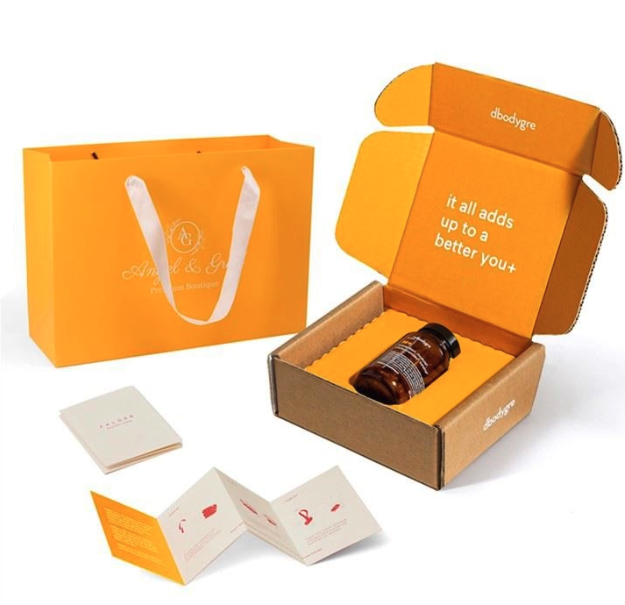
Shipping boxes are your go-to when durability and protection are top priorities. They’re built to survive rough handling, long distances, and heavy contents.
Fragile or Breakable Items – Glassware, ceramics, electronics, and delicate instruments fit securely.
Bulky or Oversized Items – Furniture, sculptures, chandeliers, or large decor pieces need the extra space and strength.
Industrial or Bulk Shipments – Perfect for machinery, automotive parts, or multiple items packed together.
Long-Distance Deliveries – Items traveling internationally or through multiple transit points benefit most.
Maximum Protection – Sturdy construction resists crushing, punctures, and impact.
Cost-Efficient for Large or Heavy Shipments – Less material per interior volume keeps shipping economical.
Compatible with Protective Fillers – Bubble wrap, foam inserts, and packing peanuts can cushion fragile items.
Variety of Sizes and Strengths – Single-wall, double-wall, or reinforced options suit almost any product.
Less Focus on Aesthetics – They prioritize durability over presentation.
Heavier and Bulkier – Adds shipping weight and may increase environmental impact.
Requires Tape or Adhesives – Extra materials needed for secure closure.
Limited Branding Opportunities – While printing is possible, the look is less premium than mailing boxes.
| Feature | Shipping Boxes |
|---|---|
| Best for | Fragile, bulky, industrial shipments |
| Protection | Maximum; survives long transit |
| Shipping Cost | Efficient for heavy/large items |
| Aesthetics | Moderate; less focus on design |
| Assembly | Requires tape or adhesives |
Shipping boxes excel when your main goal is protection and reliability, especially for fragile, heavy, or oversized items.
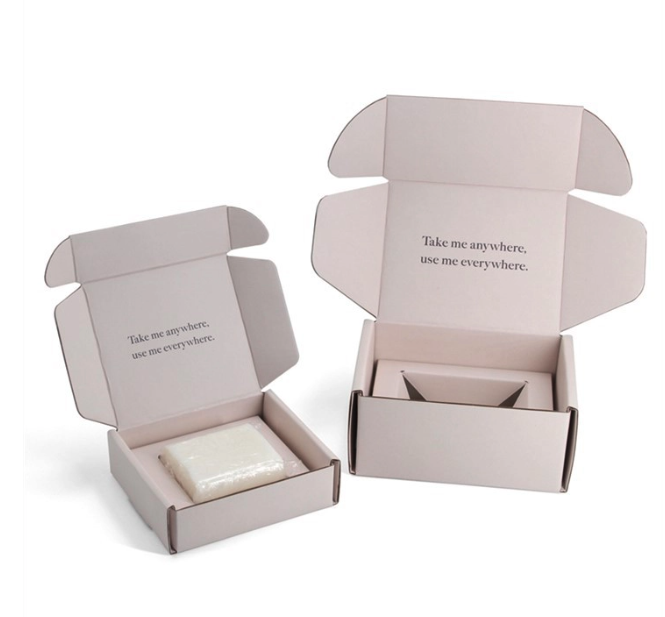
A: Yes, they can be shipped as is because their self-locking design offers sufficient protection. Some brands still add poly mailers to preserve design or prevent tampering.
A: Not typically. Shipping boxes focus on durability and reliability, not premium presentation. Custom printing can help, but they won’t match mailing boxes for elegance.
A: Generally no. Mailing boxes are best for lightweight, non-fragile items. Fragile goods need shipping boxes with cushioning materials.
A: Consider product weight, fragility, presentation needs, and shipping distance. Mailing for lightweight/premium items, shipping for heavy/fragile goods, product boxes for tailored protection and branding.
Whether you’re sending a delicate gift, bulk products, or a stylish subscription kit, the right box matters. Mailing boxes offer sleek design and brand appeal, while shipping boxes deliver durability and peace of mind for heavy or fragile items. By picking the correct packaging, you improve protection, reduce shipping costs, and elevate customer experience.
For businesses looking to customize high-quality packaging, Guangzhou Yison Printing Co., Ltd. provides tailored solutions, helping your brand stand out from first glance to the last unboxing.


